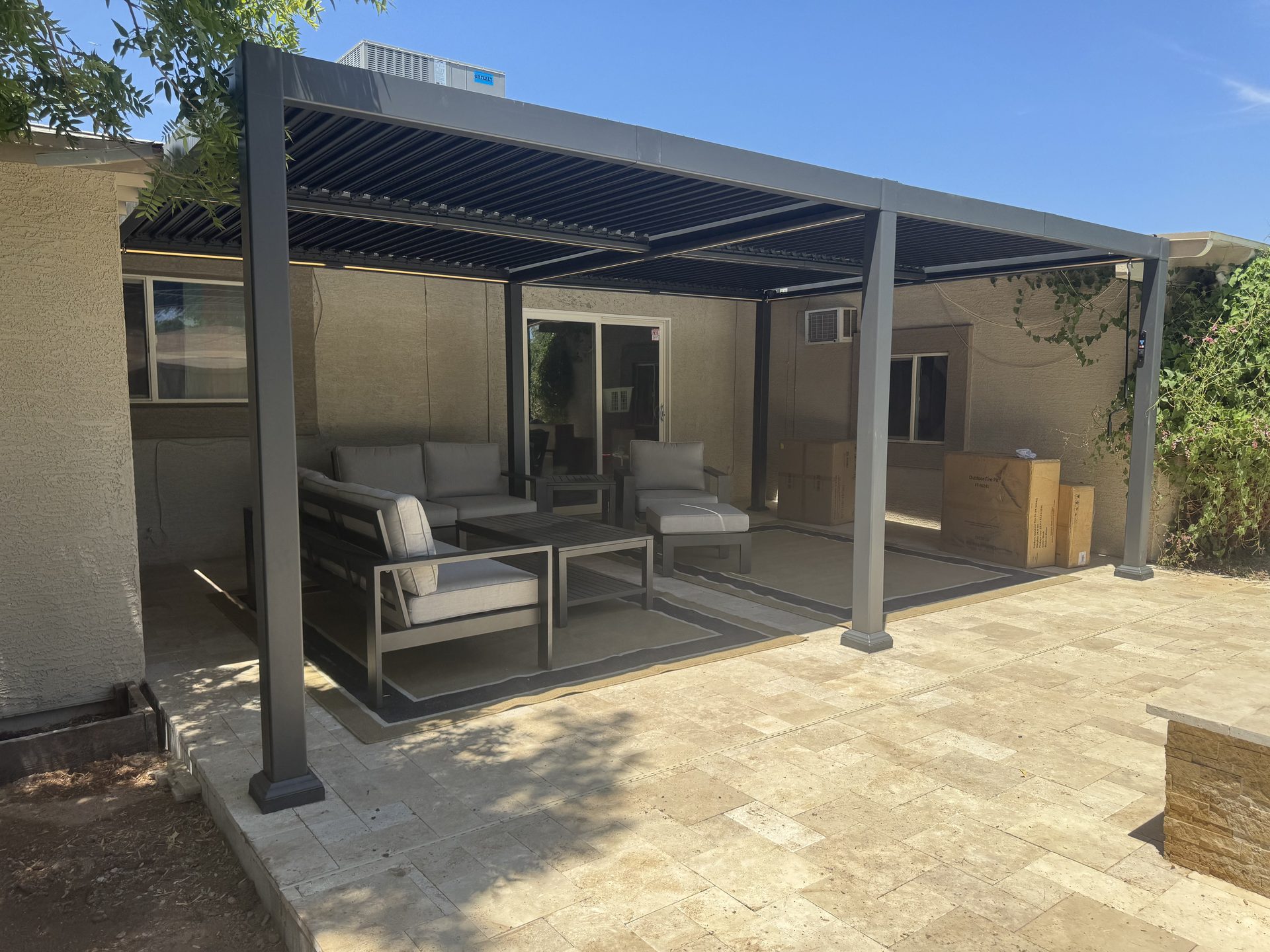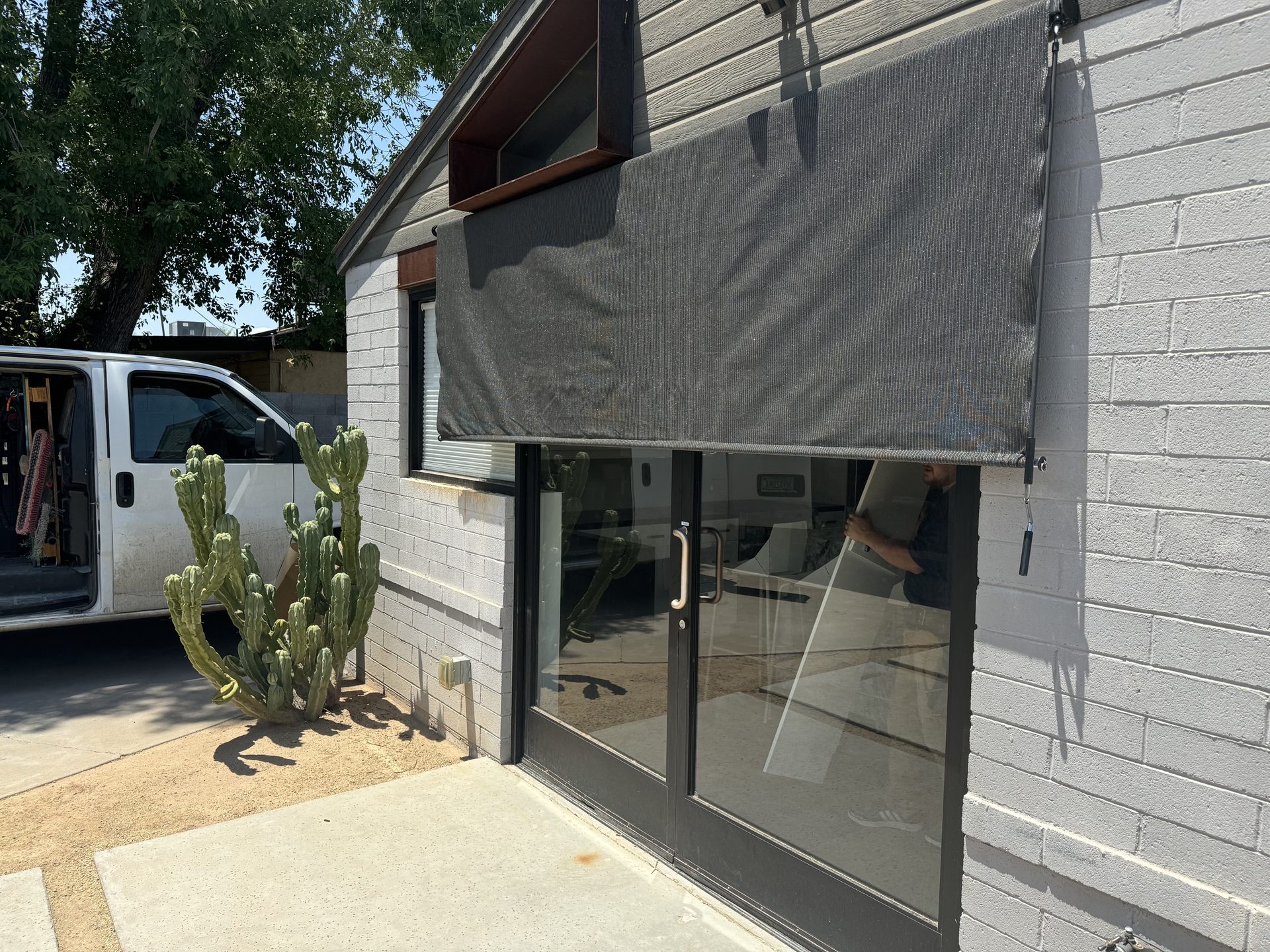
In Phoenix, exterior sun screens (roughly $100–$250 for one to two windows) beat interior tint and weatherstripping at cutting heat, because they stop the sun before it hits the glass. The honest answer isn’t “screens” or “tint.” It’s matching the fix to each window: 90% screens on hot, low-view windows, tint where you want to keep the view, and weatherstripping and attic fixes everywhere heat leaks in. Here’s the whole playbook, with real numbers, a per-window strategy, and a copy-able way to get fast quotes.
What actually cools a Phoenix house the most?
Exterior shading wins, because it stops solar heat before it reaches the glass. Tint and blinds only manage heat that’s already through the window; a screen, awning, or shade tree stops it outside. So the rule is simple: block the heat before it enters. Then match the tool to the window. Cheap passive screens on the hot, low-view openings, tint where the view matters, and seal the leaks everywhere else. The rest of this guide walks the full toolkit and, just as useful, tells you where to use each piece.
Why do exterior sun screens beat window tint for heat?
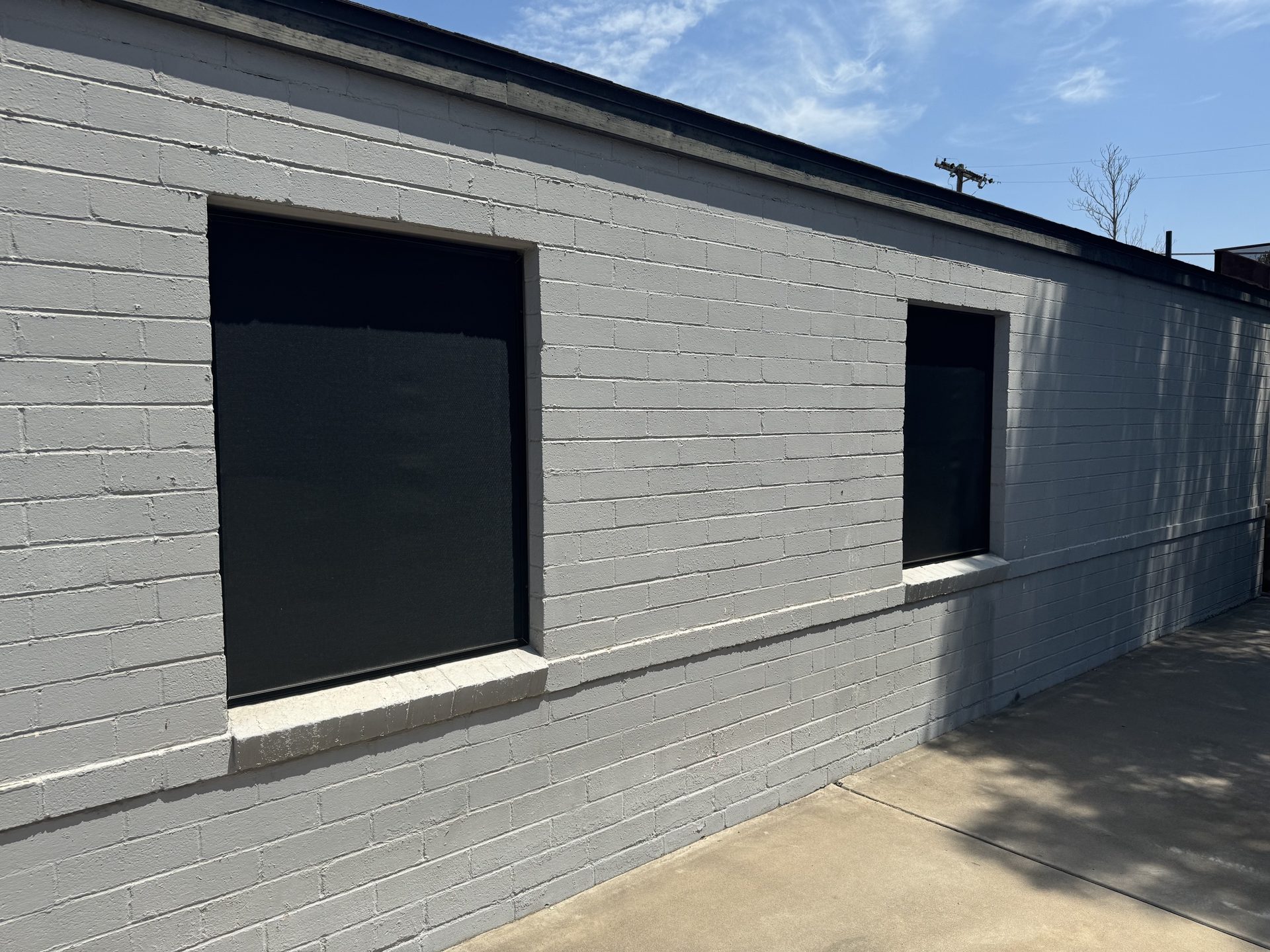
Both screens and quality tint reflect and absorb solar energy, but where they do it is what matters. A sun screen intercepts sunlight outside the window and re-radiates most of that heat back to the outdoors, so it never enters the wall cavity or the room. Window film sits on the interior pane, so a meaningful share of the heat it absorbs re-radiates inward. That’s why exterior wins for pure heat load. There’s a second advantage: a screen is passive. No motors, no moving parts, nothing to fail. It’s cheap and it’s permanent. It’s the same advice we give the rental owners we work for: on windows that only face the driveway, a block wall, or a chain-link fence in the rear, do 90% density screens and be done. They can’t break, and they block the heat before it gets to your house.
Which fix should I use on which window?
This is the part most guides skip, and it’s where you save real money. Don’t treat every window the same:
- Junk-view / rear windows (facing a driveway, a block wall, or a chain-link fence) → cheap passive 90% density screens. Maximum heat rejection, and you don’t care about the view anyway.
- Medium windows → window tint or lighter 80% screens, some heat control while keeping more light and view.
- Feature / view windows where aesthetics matter → the premium options: tint, awnings, or low-E replacement glass.
West and southwest glass comes first. The low afternoon sun from about three to six PM cooks those rooms and fades the furniture, so that’s where the budget goes.
What did these fixes actually cost on real jobs?
Not a rate card — these are real numbers from jobs we handled, so treat them as estimates for planning. (For current installed pricing and a firm quote, the numbers live on our sun screen & tint cost page.)
| Item | Real / typical | Notes |
|---|---|---|
| Sun screen, standard window | ~$100 each | Negotiated on a recent job; screens supplied separately. |
| Two screens, second property on the same job | $250 total | Supplied + installed. |
| Installer’s written quote, 2 screens | $250 | Firm price from the written spec and photos alone, no site visit. |
| Window film, whole-casita job (real quote) | $1,200 | ~120 sq ft / 13 windows, Solar Gard PureVue 35 ceramic (≈$10/sq ft). |
| Residential window film, typical market | $6–$14 / sq ft | Typical market range; ceramic/nano films run higher. |
| DIY weatherization kit | $40–$120 | Materials for a typical house. |
And the film quote came back too: $1,200 installed for roughly 120 square feet across 13 windows — about $10 per square foot — in Solar Gard PureVue 35, a ceramic film that rejects up to 58% of total solar energy. That last figure is the TSER (Total Solar Energy Rejected), the spec to ask for when you compare film quotes, because a product number like “59%” is often just visible-light transmission, not heat blocked.
How do I get fast, competitive quotes without five reschedules?
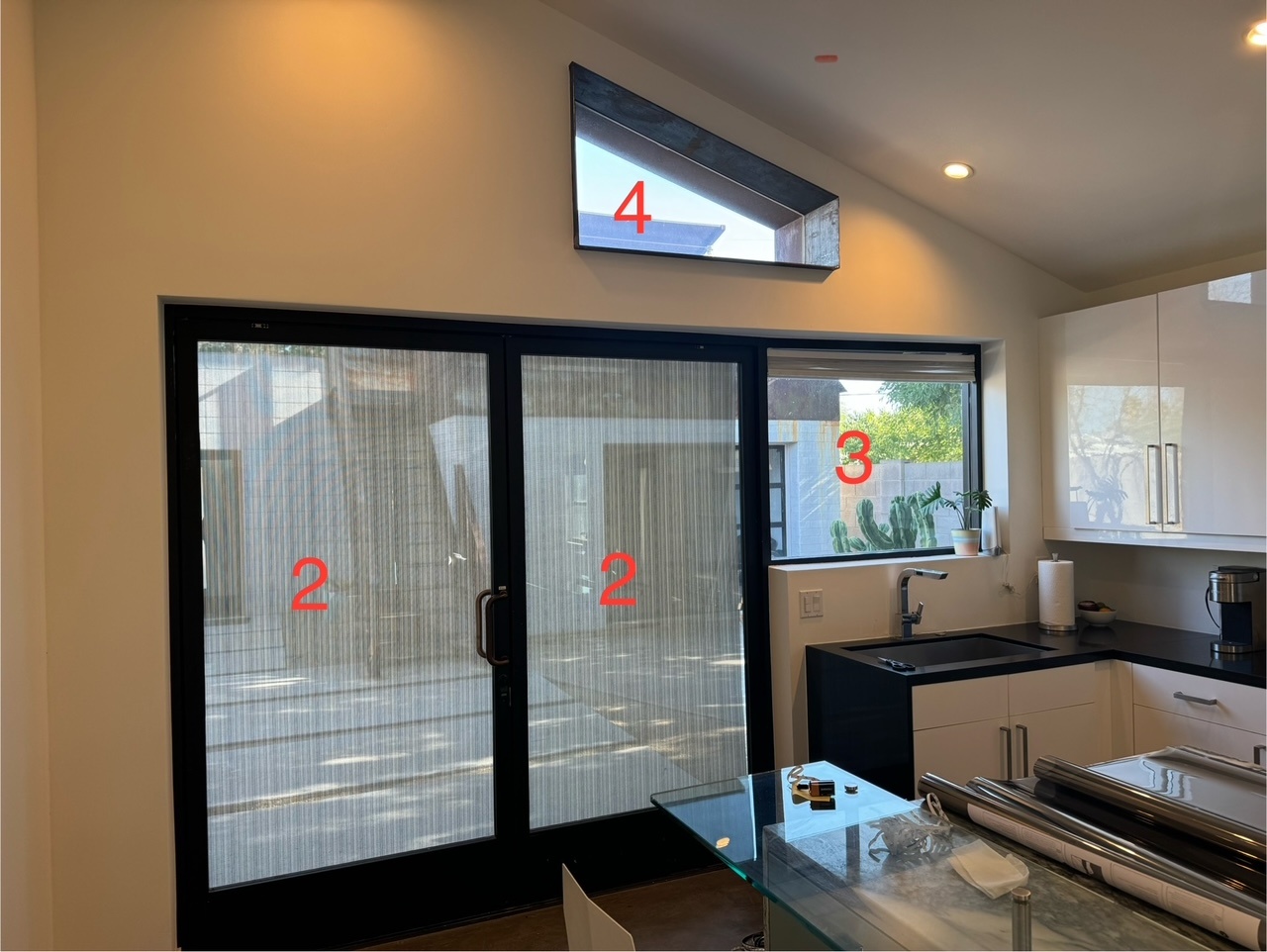
Do the measurements yourself, take good photos, and learn the basic specs, then you can request multiple quotes in writing without a single site visit. Here’s the pain it solves: everyone who doesn’t do that, who just waits for each contractor to come measure, ends up getting rescheduled on five times, only ever gets one or two quotes, and picks from those. The four specs to know: opening size, screen density (80% vs 90%) or tint tier, frame color, and mount type (surface-mount clips vs. a channel that seats in your existing screen track). Number your windows in the photos, #1, #2, #3, so the quote maps one-to-one to the pictures.
What does a good request-for-quote actually look like?
Here’s an example of a good format you can use for a quote request. Fill in the brackets with your own details and send it to every installer at once:
“Hi [installer], I have a house near [major cross streets] in Phoenix. I saw your ad on [Craigslist]. I have some windows that need tinting and would like a quote:
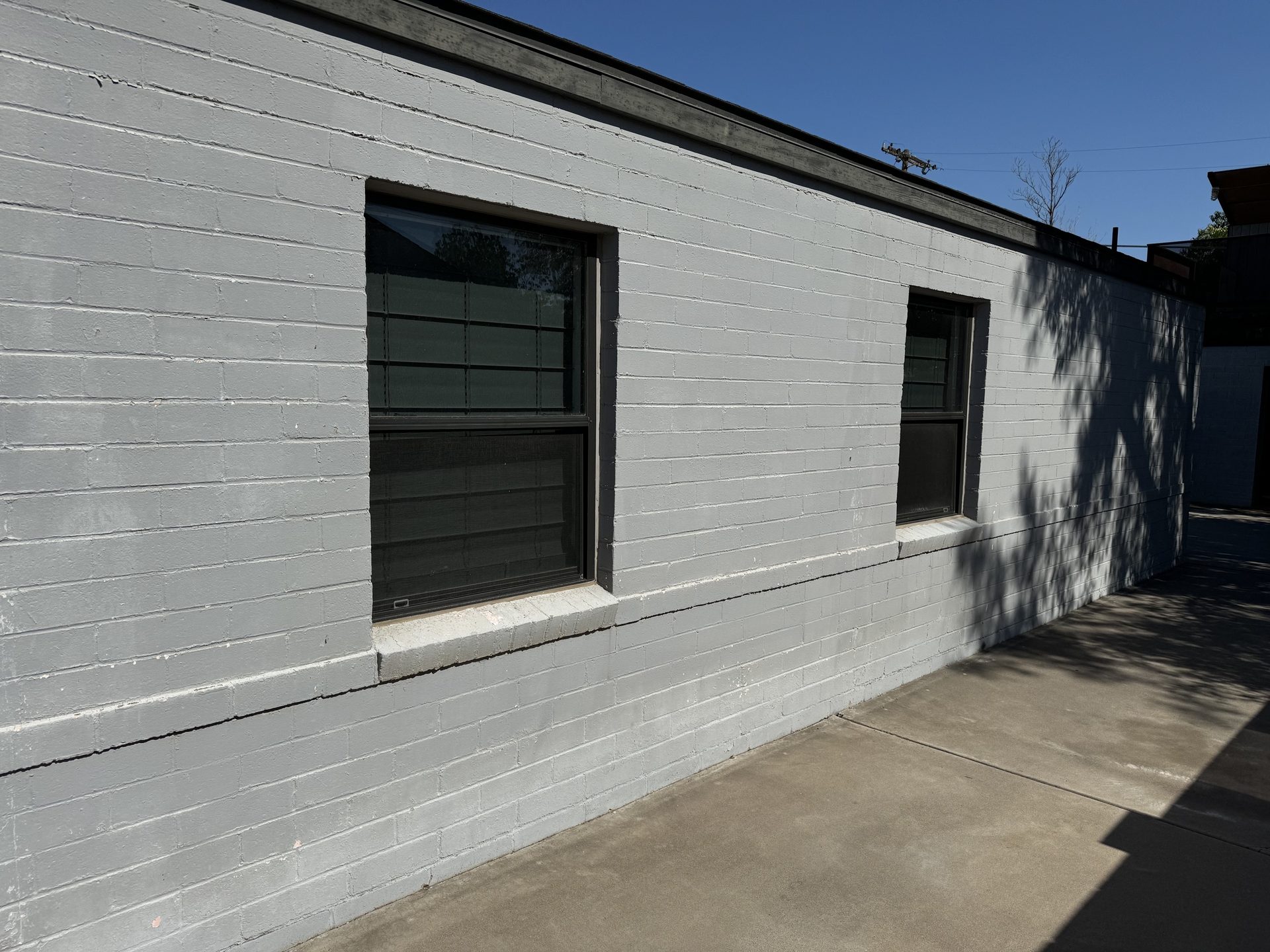
1. Four standard single-hung double-pane windows (36″ wide by 48″ tall)
2. A large glass double door with two single-pane panels (each panel 39″ wide by 74″ tall)
3. One square single-pane window (46″ wide by 37″ tall)
4. Two custom trapezoidal single-pane windows, 46″ wide and 26″ tall on their longest sides
I’ll send photos. I’d like a heat-reducing tint that blocks around 50% of heat, similar to Gila Heat Control 59%. Can you provide a quote?”
Why it works: it gives the installer everything to quote from a desk, window type, pane count, exact dimensions, quantity, plus a named benchmark product that communicates the exact performance tier. One tip on that benchmark: when you compare film quotes, ask for the film’s TSER (Total Solar Energy Rejected) %, not just a product number, since a marketing figure like “59%” is often visible-light transmission, not heat blocked. A request like this gets results. On a recent job, we reached out to an installer with this level of detail and had a firm $250 answer for the two screens within the hour, along with an offer to install the next day. A specific request earns a firm price and a fast schedule, and adding two more screens at a second property to the same request took no extra effort.
What can I fix myself this weekend to beat the heat?
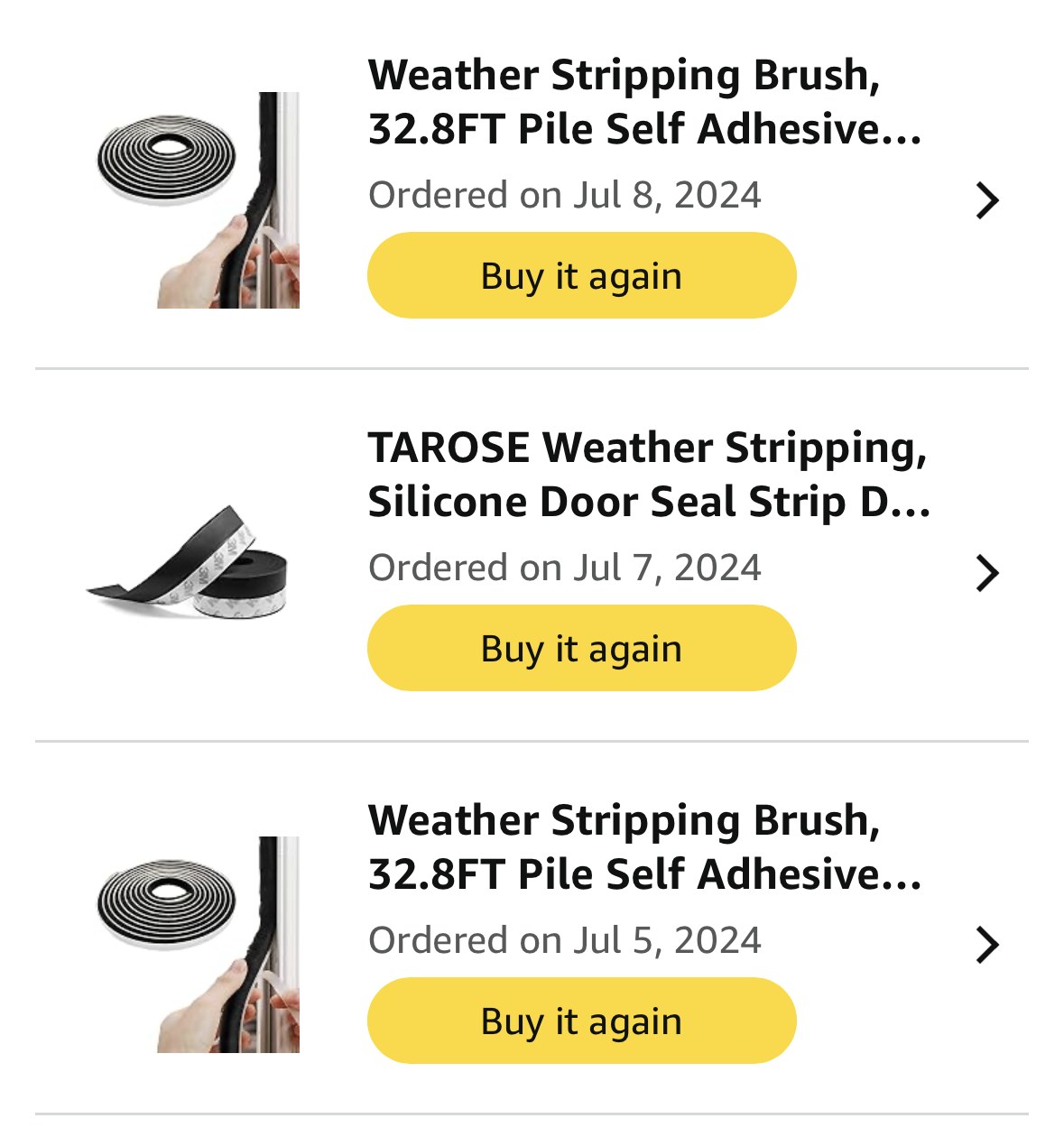
Plenty, cheaply. The DIY toolkit: door sweeps, foam or V-seal weatherstrip, outlet gaskets, and a garage-door bottom seal. Find the leaks first with a cheap infrared thermometer (about $20–$40 for a basic point gun), checking windows, doors, the attic hatch, outlets, and recessed lights, a true thermal camera images the leak path but costs more or rents. The real products from our own materials orders: a 32.8-foot self-adhesive pile weatherstrip brush for sliding door and window tracks (ordered twice in one week on the same job, it goes fast), and the TAROSE silicone door seal strip for door edges. None of it needs a contractor, it’s a weekend and well under $150 in materials.
What bigger fixes make the biggest difference (and when to call a pro)?
When you’re ready to invest, these move the needle most, and this is where the licensing line matters:
- Attic sealing, insulation, and ventilation. A superheated attic radiates heat down into the house all evening. The high-payoff move is sealing the ceiling plane, adding insulation, and improving passive intake and exhaust (soffit and ridge or gable vents) before you add a powered fan. Powered attic fans are situational. Done wrong, they pull conditioned air out of the house, so seal and insulate first.
- Mini-splits in the one room that runs hot, a converted garage, a west-facing bedroom, a home office, instead of over-cooling the whole house. The refrigerant work and the 240V circuit are licensed HVAC and electrical, so we bring in our licensed partners for these. It’s not a DIY or handyman job.
- Exterior shade structures. A pergola or patio cover is exterior shading at building scale — see the louvered pergola we built over a Phoenix patio for what that looks like done right.
- Deciduous shade trees on the west and southwest side. They leaf out to shade the hot summer afternoons and drop their leaves to let winter sun warm the house. It’s a slow fix that pays off more every year. Ask your landscaper for a desert-adapted species suited to your microclimate.
Norem is a licensed Class B general contractor, ROC #365090. We self-perform the screens, weatherstripping, carpentry, and shade work, and coordinate our licensed HVAC and electrical partners for the mini-split, attic-fan wiring, or panel work, so one accountable company covers the whole plan. Want us to handle it? See our sun screen & window tint installation costs and our Phoenix handyman services.
Ready to Cool the House?
Text us your window photos and a rough count and we’ll give you a same-day read on screens, tint, and the whole beat-the-heat plan. Free estimate, licensed Arizona contractor, ROC #365090.
Get a Same-Day Read