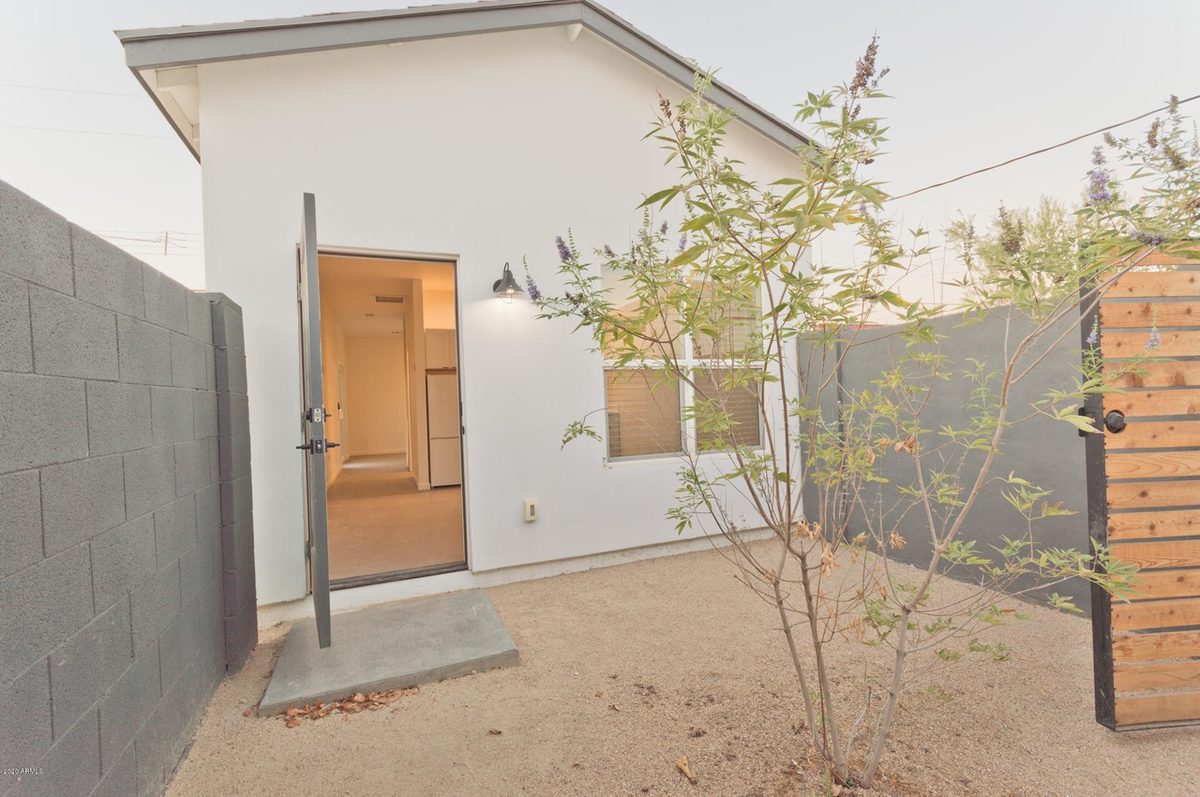
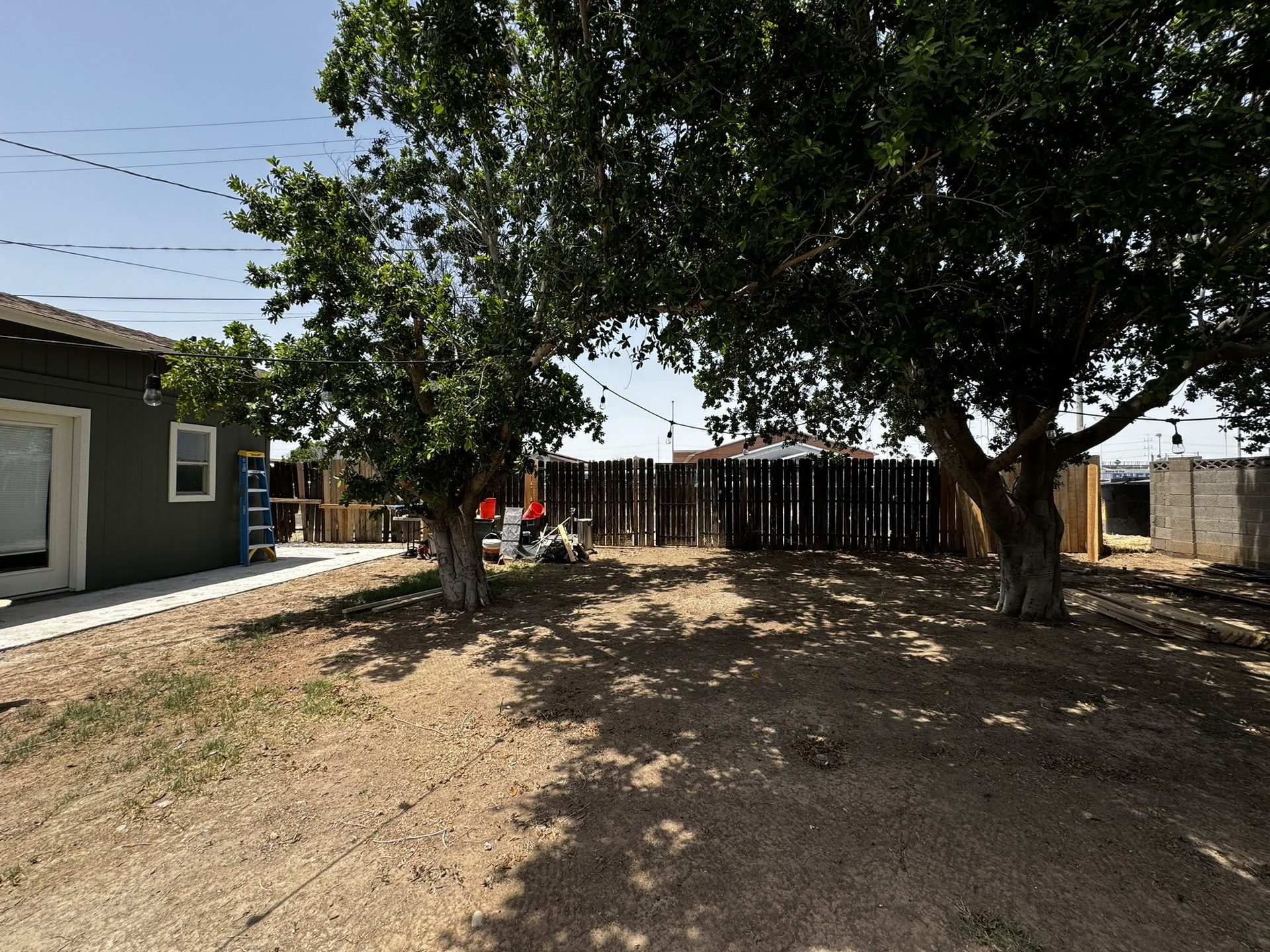
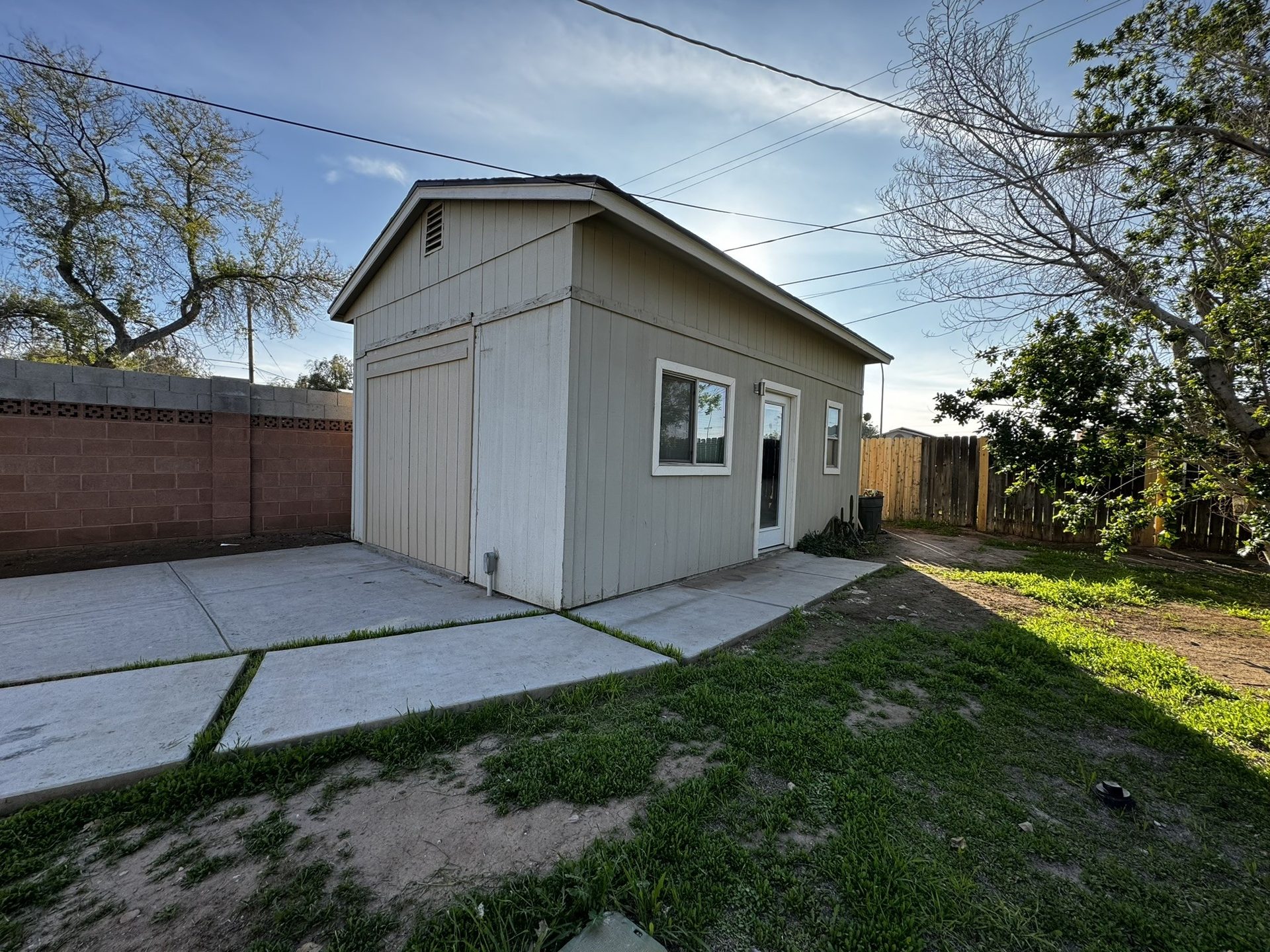
A guest house should feel like its own little getaway. This one didn't. The casita sat in a Tempe backyard surrounded by bare dirt. An old wood fence along the alley was leaning and falling apart, and there was no separation at all between the casita and the main yard. The space felt exposed and unfinished, and it was hard to use for much of anything. The homeowner wanted to fix all of it at once and turn the casita into a private space of its own.
We handled the whole project in one go. Below is the full story, but here's the quick version first.
Project at a Glance
- Location: Tempe, Arizona
- Exterior repaint of the guest house
- New cedar privacy fence along the back alley
- Interior dividing fence giving the casita its own yard
- Matching driveway gates hidden in the fence line
- New concrete patio poured over bare dirt
The Goal: Privacy and a Yard You Can Actually Use
When we walked the property with the homeowner, three problems stood out. The alley fence was at the end of its life, weathered and leaning and barely offering any privacy. The casita had no yard of its own and shared one open space with the main house. And the ground around it was bare dirt, so the area couldn't be used for seating or storage.
The fix took several pieces of work that had to come together: new fencing for privacy and security, a dividing fence to carve out a separate yard for the casita, a concrete patio to make the space usable, and fresh paint to pull the look together. Planning it as one project let us sequence the work so each step set up the next, instead of the homeowner chasing four separate contractors.
Starting Right: Demo, Blue Stake, and Layout
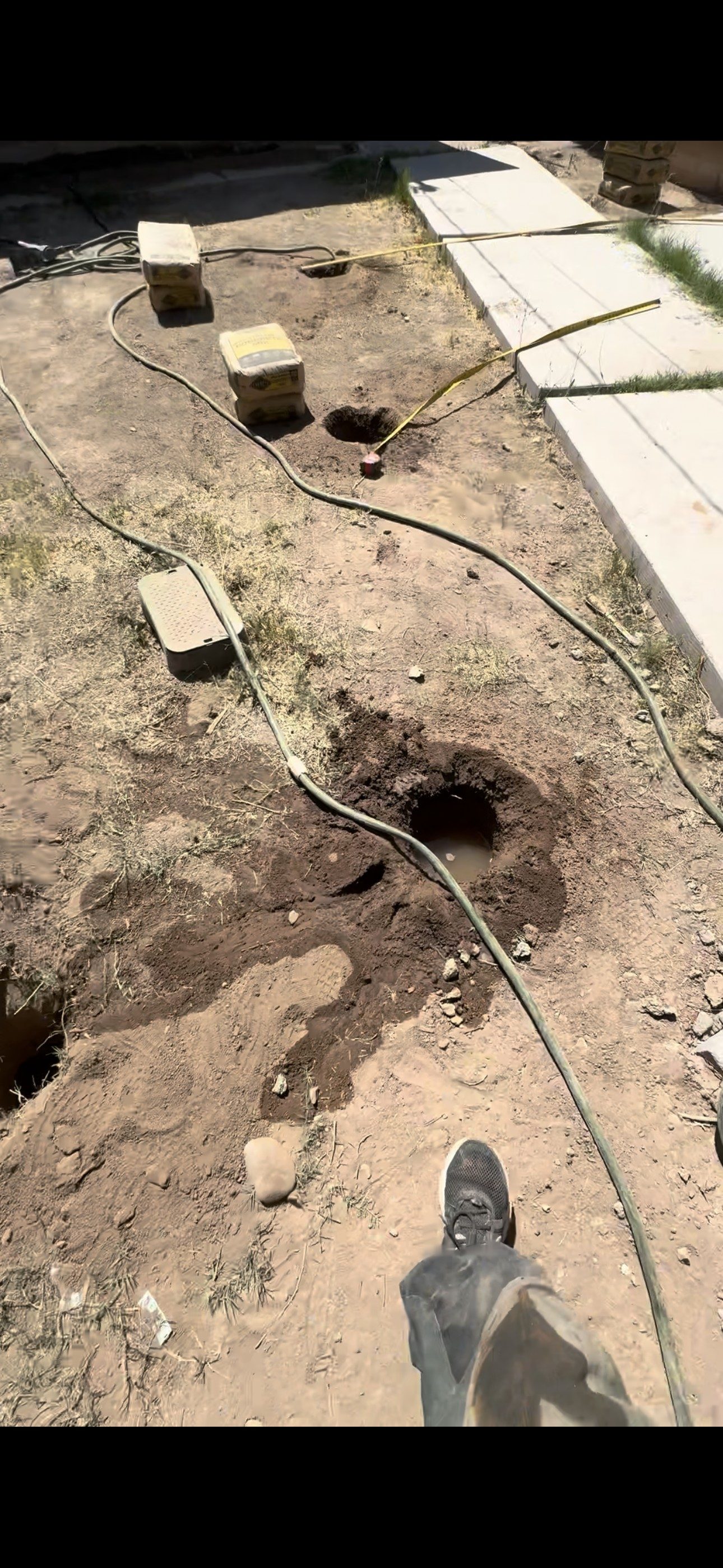
The first day was demolition and prep. We tore out the old alley fence, removed a section of broken concrete, and hauled it all off. Before we dig any post hole, we call in Arizona Blue Stake (811) to mark the underground utilities. It's free, it's required by law, and it keeps a fence project from turning into an expensive surprise.
With the site clear, we ran string lines to lay out the fence runs, the gate openings, and the patio perimeter. Good layout up front is what makes a fence look straight and a patio sit square against the building. It's the least glamorous part of the job and one of the most important.
A New Cedar Privacy Fence Along the Alley
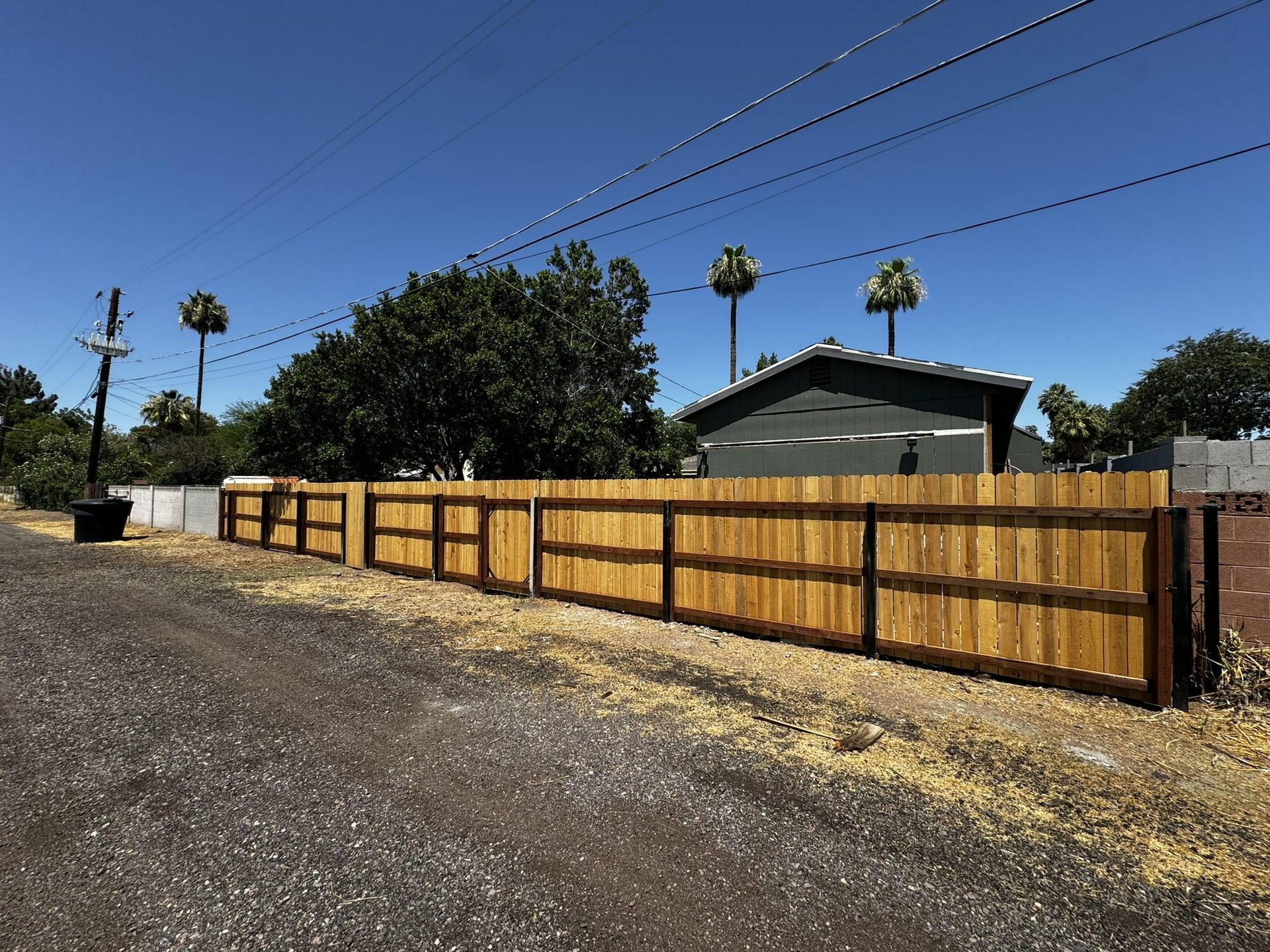
The backbone of this project is the new fence. We built it with pressure-treated posts and pressure-treated rails for strength and ground durability, then faced it with Incense Cedar dog-ear pickets for a clean, warm look that holds up to the Arizona sun. The fence is framed with a top cap and a bottom kickboard (rot board), which keeps the pickets off the dirt and gives the whole run a finished, built-on-purpose look instead of a builder-grade panel fence.
A couple of details matter in this climate. Cedar contains natural tannins that corrode cheap fasteners and leave black streaks, so the pickets go on with hot-dipped galvanized fasteners. We also let the lumber sit and acclimate before installation, so the boards settle into the dry desert air before they're fixed in place. That keeps gaps and warping to a minimum once the sun goes to work on them.
Setting Posts in Tempe's Caliche
If you've ever tried to dig a hole in an established Valley yard, you've probably hit caliche. It's a hard, cemented layer of calcium carbonate that runs through a lot of Phoenix-area soil. Dry, it's miserable to dig, and it tempts a crew to stop shallow. So we soak the post holes ahead of time to soften the ground, then dig each one to full depth and set the posts in concrete footings. For a roughly six-foot privacy fence, that usually means burying about a third of the post and sizing the footing for the load. The gate and end posts go bigger and deeper, since they carry the most stress.
A Yard of Its Own: The Dividing Fence
Privacy from the alley was only half the request. The homeowner wanted the casita to feel like its own space, not just a building parked in the corner of the main yard. So we built a second interior fence that splits the backyard in two. The guest house got a private yard on one side, and the main house kept its own space on the other.
That one change makes a property live differently. The casita now has a defined outdoor area that belongs to it, and the main yard no longer looks straight at the guest house. We matched the dividing fence to the alley fence so the two look like one plan instead of two separate add-ons.
Gates That Disappear Into the Fence Line
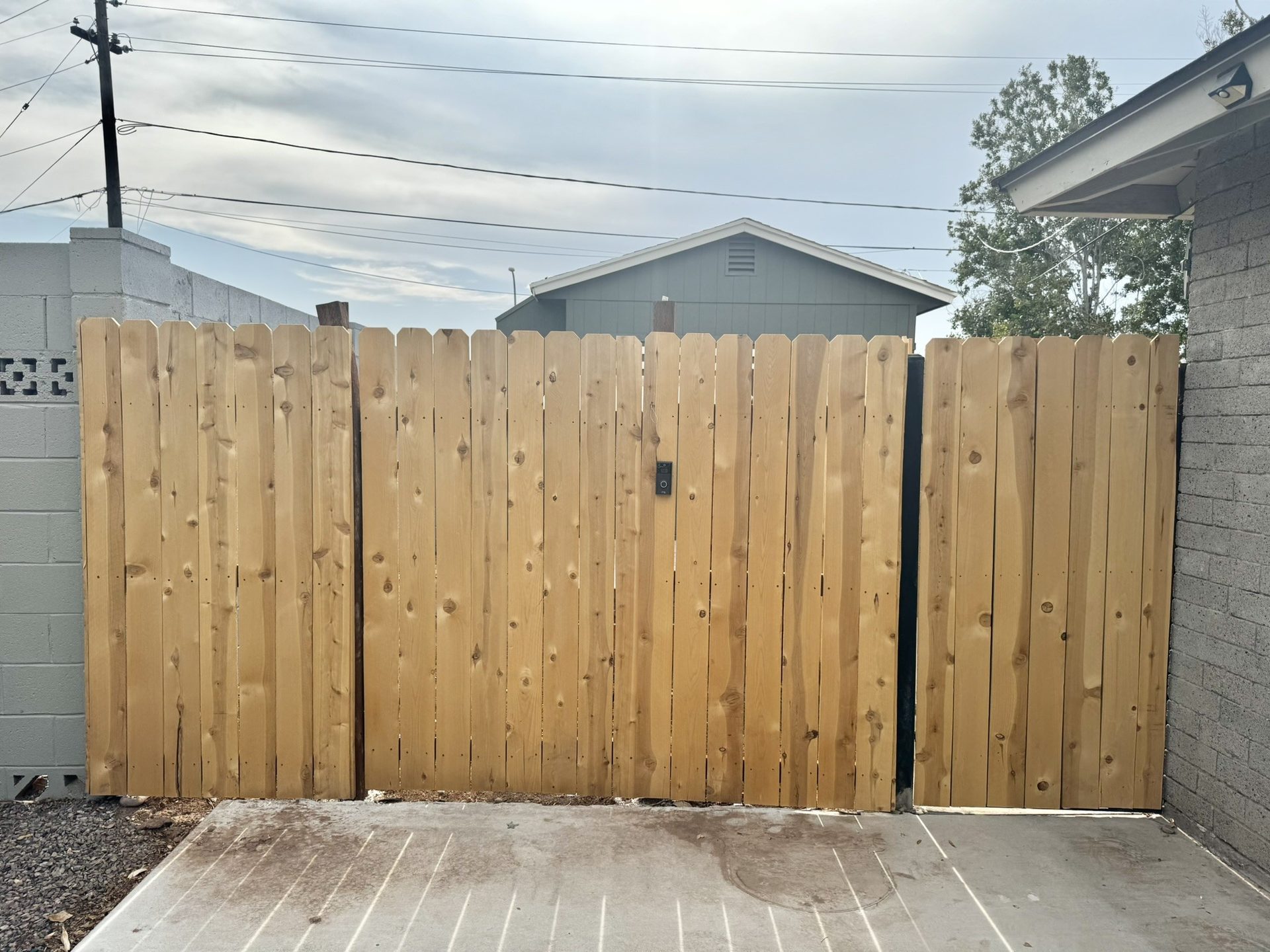
Both yards still needed to be easy to reach, and the natural access point was the existing driveway. Instead of breaking up the look with an obvious gate, we built matching cedar gates that blend into the fence line. They use the same pickets, the same cap, and the same proportions, so they look like part of the fence until you go to open one. The result is a clean, continuous run across the driveway that hides the access points while keeping both yards fully accessible.
Gates take more abuse than any other part of a fence, so they get heavier, deeper-set posts and solid hardware. A gate that sags after one season is the fastest way to make a nice fence look cheap, and the extra work up front is what prevents that.
From Bare Dirt to Outdoor Living: The Concrete Patio
With the fences standing, we turned the dirt around the casita into usable space. We sequence it this way on purpose, fence first and flatwork second, so we're not digging post holes and throwing dirt right next to fresh concrete. The patio butts up against both the building and the new fence, so the fence had to be in place first.
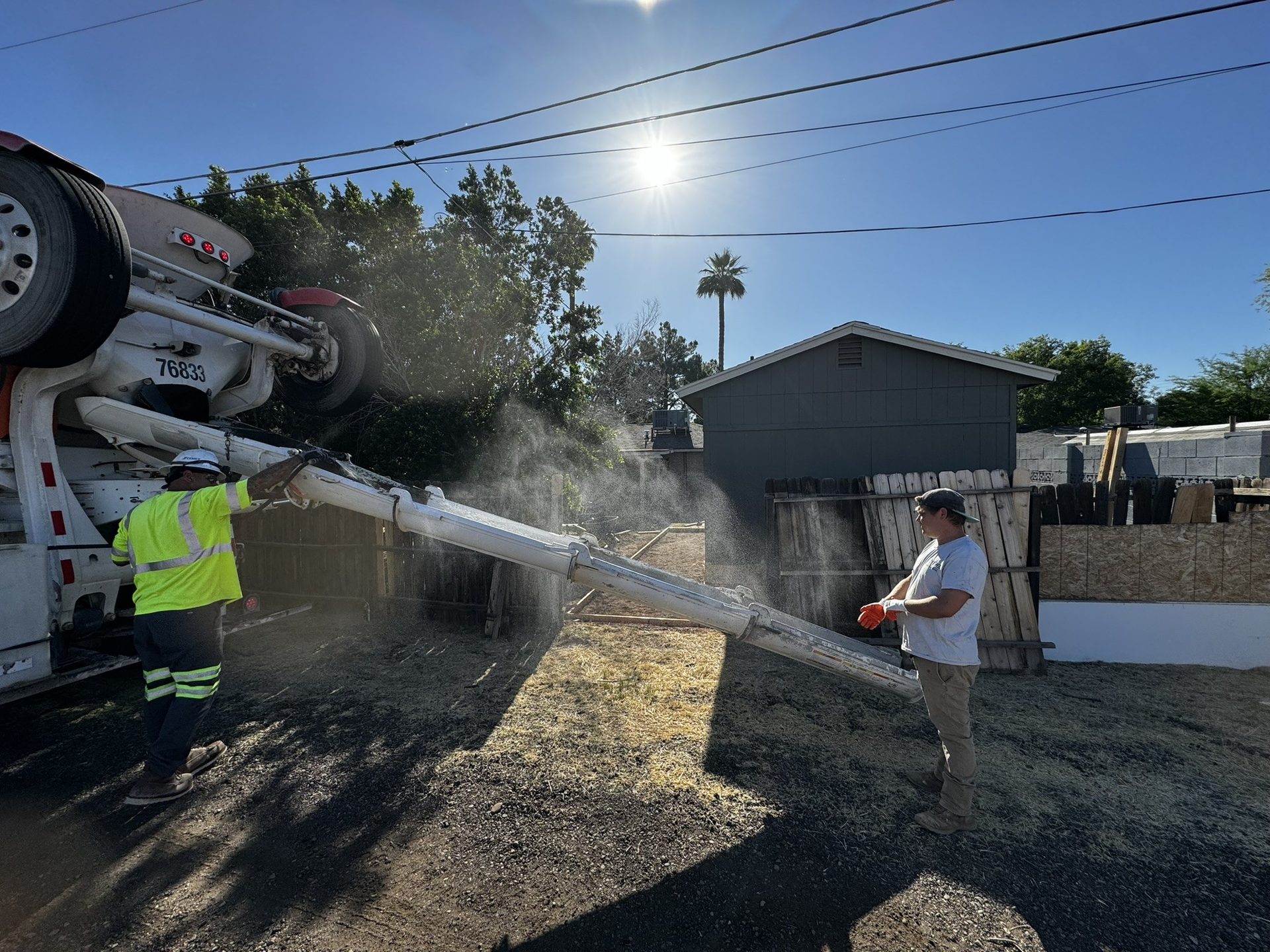
Pouring a patio that lasts in Arizona is mostly about what happens before the truck shows up. We graded and compacted the base, set the forms, and prepped the perimeter so the new slab isolates cleanly where it meets the building and the older existing concrete. Then we poured, screeded the concrete level with the forms, bull-floated it, and finished it with a broom texture for slip resistance. Tooled control joints give the slab planned places to move so it cracks where we want it to, not randomly across the surface.
Heat is the real variable here. In Phoenix-area temperatures, concrete can set too fast and surface-craze if it isn't handled right, so we time the pour and keep the slab cured as it gains strength. As a rule of thumb, a patio like this is fine for foot traffic within a day or two and ready for furniture not long after. We walk every client through what to expect before we leave.
A Fresh Face: Repainting the Casita
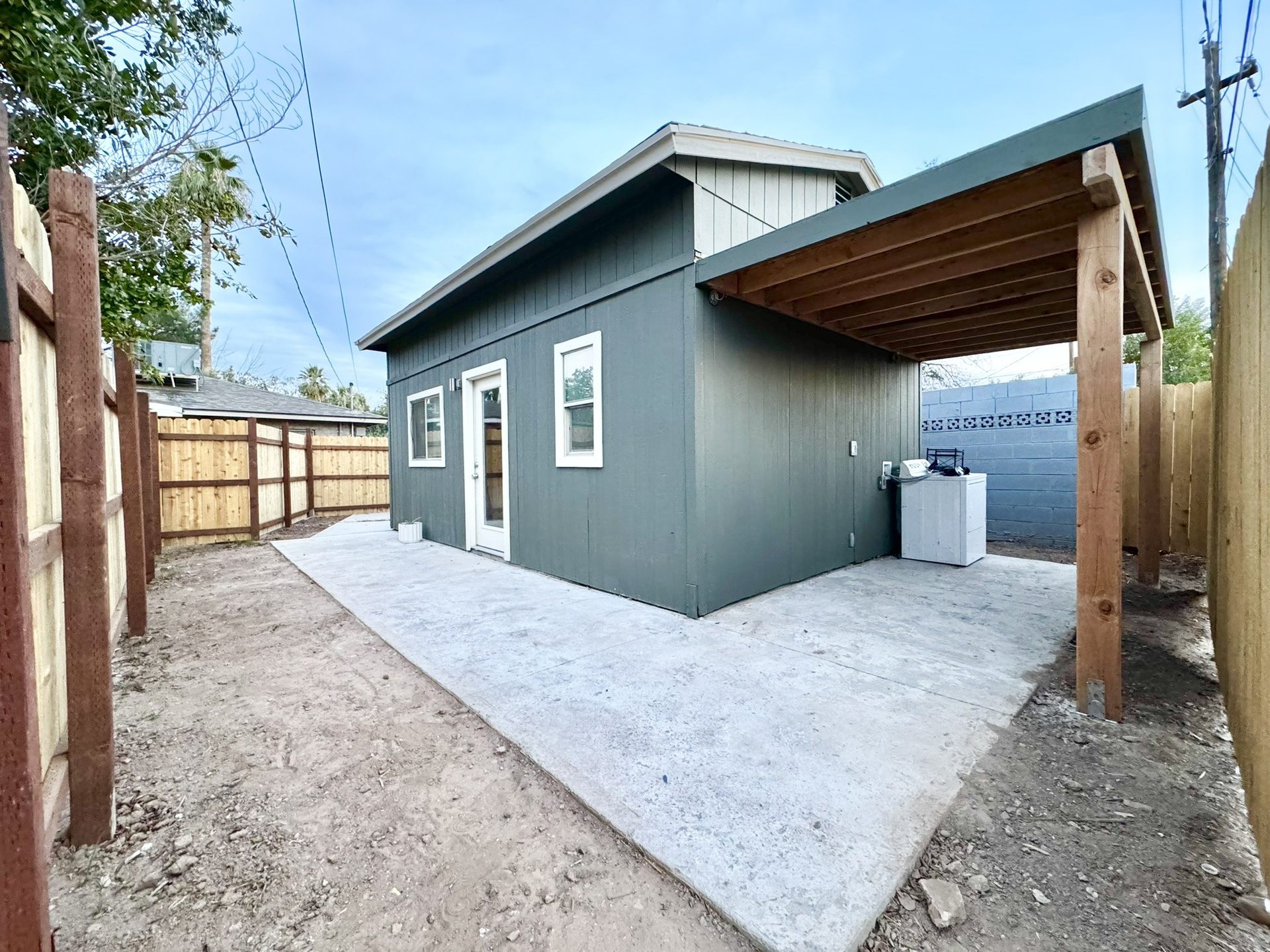
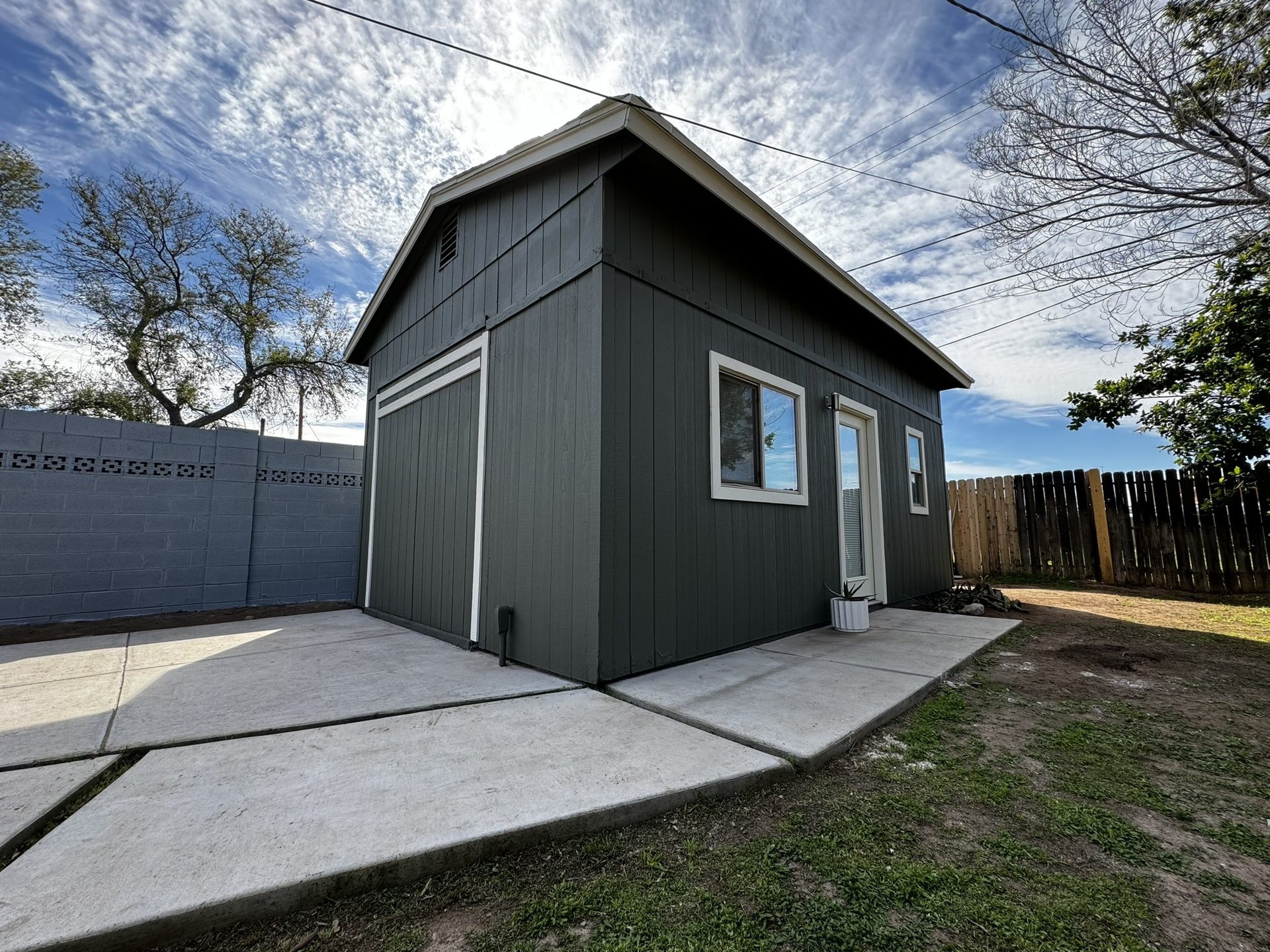
The last piece was paint, and it's the one that pulls everything together. The guest house had dated beige vertical-panel wood siding, the board-and-batten look rather than stucco, which made it blend right into the dirt around it. We repainted the body a deep charcoal-green with crisp white trim, including the wide white-trimmed utility door. The whole structure now reads as a clean, modern little building.
On previously painted wood siding, the prep is the job. We wash it down, scrape and sand any failing spots, caulk the gaps, and spot-prime bare wood and stains before two finish coats of quality exterior paint go on. Dark colors take more abuse from Phoenix UV, since they run hotter and can fade faster, so we used a fade-resistant exterior-grade product chosen for this sun. A dark casita in the desert works fine. It just has to be done with the right paint.
The Result: A Private Backyard Retreat
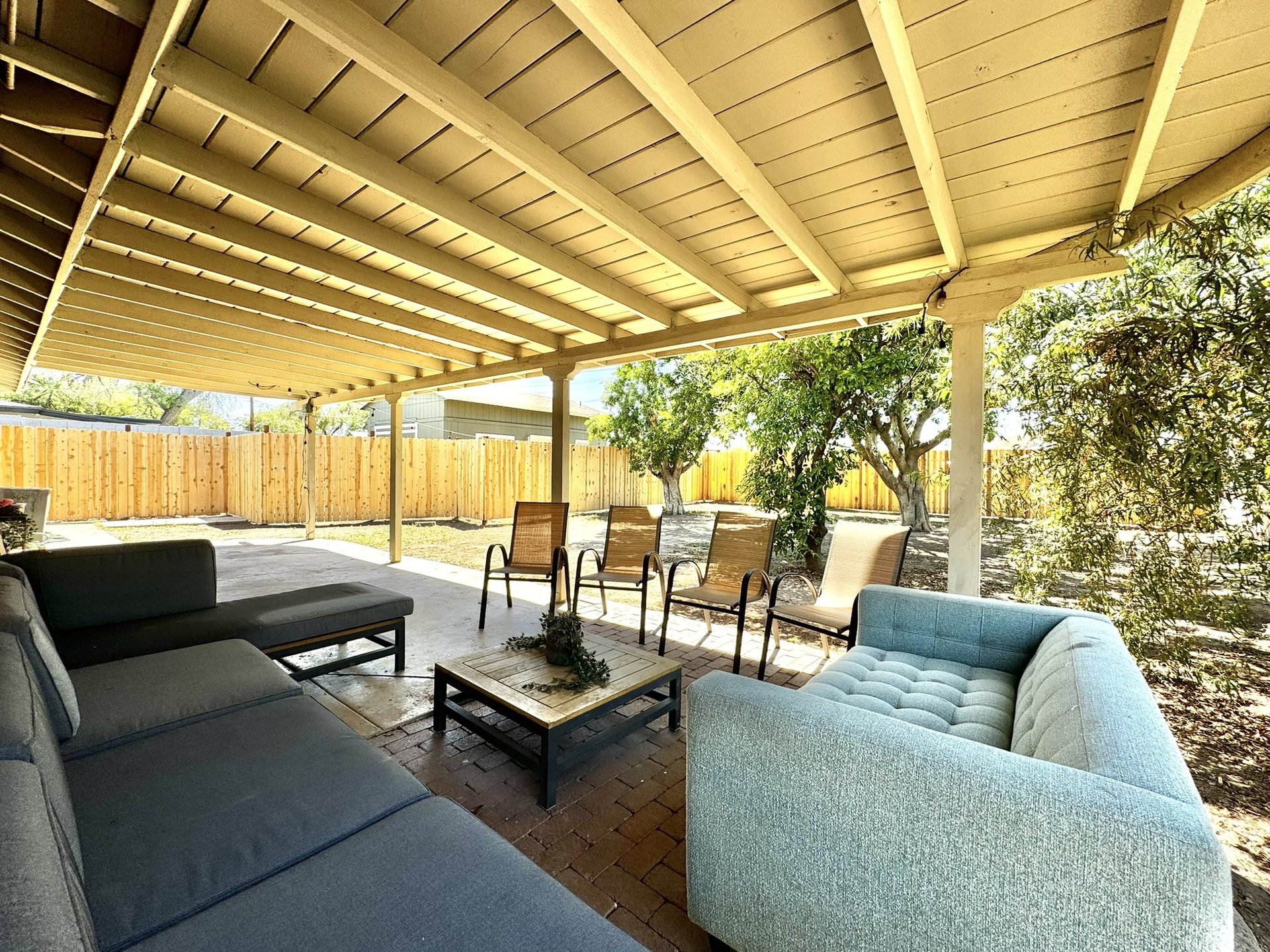
What started as an exposed building surrounded by dirt is now a finished, private retreat. The casita has its own walled-off yard, the alley is closed off behind a solid cedar fence, the new patio makes the space usable, and a fresh coat of paint pulls it all together. From the covered patio off the main house, the view now lands on a clean cedar fence line instead of an open alley, which is the kind of evening view the homeowner couldn't get before.
Projects like this show what a general contractor is for. Instead of hiring a fence company, a concrete crew, and a painter separately and hoping they all coordinate, the homeowner had one licensed contractor plan the sequence, manage the trades, and stand behind the finished result. If you're planning a fence of your own, here's more on our fence installation services. You can see more of our work in the project gallery, and if you're weighing a guest house of your own, take a look at a casita we built from the ground up in Tempe.
Common Questions About Privacy Fences in Phoenix
How much does a privacy fence cost? Installed wood privacy fencing in the Valley generally runs about $20 to $40 per linear foot, depending on height, lumber, gates, and site conditions like caliche. We give a firm number after measuring your yard.
Do I need a permit for a backyard fence in Tempe? Usually not for a fence up to about six feet in the side or rear yard, but height limits, setbacks, alley right-of-way, and HOA rules all apply. We confirm the local code before building.
Cedar fence or block wall? Both work in Arizona. Cedar is faster to build, warmer-looking, and easy to match across gates and dividing runs. Block lasts longer and blocks more sound, but it costs more. We'll talk through the trade-offs for your yard.
Thinking About a Privacy Fence or Backyard Project in Tempe?
Need a new fence, a concrete patio, exterior paint, or a full backyard makeover? We'll walk your property, talk through the options honestly, and give you a clear estimate. Every project starts with a free, no-pressure consultation from a licensed Arizona contractor, ROC #365090.
Request Free Estimate