A kitchen remodel is one of the most impactful investments you can make in your Phoenix home. It's also one of the most involved. Whether you're updating a dated galley kitchen in a 1970s ranch or opening up the floor plan in a newer build, understanding the full process helps you plan better, budget smarter, and avoid surprises along the way.
As a licensed general contractor based in the Phoenix metro, I've walked dozens of homeowners through this exact process. Here's an honest, step-by-step look at what a kitchen remodel actually involves — and what makes doing it in the Valley a little different.
Phase 1: Planning and Design (2-4 Weeks)
Every successful kitchen remodel starts well before anyone picks up a hammer. The planning phase is where you'll make decisions about layout, materials, appliances, and budget. This is also where you'll work with your contractor to determine what's structurally possible and what permits are needed.
If you're moving walls, relocating plumbing, or changing the electrical layout, the design phase becomes even more critical. Expect to spend two to four weeks nailing down your floor plan, selecting cabinets, choosing countertop materials, and finalizing appliance specifications. Every detail decided now prevents costly change orders later.
For Phoenix homeowners, this is also the time to think about hard water considerations. Our Valley water is notoriously mineral-heavy, which affects fixture selection and whether you'll want a water softener or filtration system integrated into the kitchen plumbing.
Phase 2: Permitting in Phoenix
If your kitchen remodel involves any structural changes, electrical work, plumbing modifications, or gas line alterations, you'll need permits from the City of Phoenix Development Services Department. This isn't optional — it's the law, and it protects you as the homeowner.
Permit review typically takes one to two weeks in Phoenix, though it can be longer depending on project complexity. Your licensed contractor should handle this process for you, including submitting plans and scheduling inspections. Unpermitted work can create serious problems when you go to sell your home or file an insurance claim, so never skip this step.
Phase 3: Demo Day
This is the part most homeowners are both excited and nervous about. Demo day is when the old kitchen comes out — cabinets, countertops, flooring, backsplash, and sometimes walls. It's loud, dusty, and transformative.
A good contractor will seal off the kitchen area with plastic sheeting and run negative air pressure to keep dust from migrating through the rest of your home. In Phoenix, where many homes have open floor plans, dust control is especially important. Expect demo to take one to three days depending on the scope of work.
During this phase, we often uncover hidden issues — outdated wiring that doesn't meet code, old galvanized plumbing that needs replacement, or termite damage that wasn't visible before. A trustworthy contractor will show you what they find and discuss options before moving forward.

Phase 4: Rough-In Work
Once the space is stripped down, the behind-the-wall work begins. This includes plumbing rough-in for new sink and dishwasher locations, electrical wiring for outlets, lighting, and appliance circuits, and any HVAC adjustments needed.
In Phoenix, electrical rough-in often involves upgrading circuits to handle modern kitchen loads. If your home was built before 2000, you may not have dedicated circuits for the dishwasher, garbage disposal, microwave, and refrigerator as required by current code. This is also the time to add under-cabinet lighting circuits, island outlets, and any smart-home wiring you want.
Rough-in work requires inspection before walls can be closed up. Your contractor will schedule this with the City of Phoenix, and the inspector will verify that all work meets current building codes.
Phase 5: Cabinets, Countertops, and Backsplash
After the walls are closed, painted, and primed, it's time for the components that define your kitchen's look and functionality. Cabinet installation typically takes two to three days for a standard kitchen. Custom cabinets offer more design flexibility but require longer lead times — often six to eight weeks from order to delivery.
Countertops are templated after cabinets are installed. Granite, quartz, and quartzite are the most popular choices in Phoenix. Quartz has become especially popular here because it doesn't require sealing and holds up well in our dry climate. Expect about two weeks between templating and countertop installation.
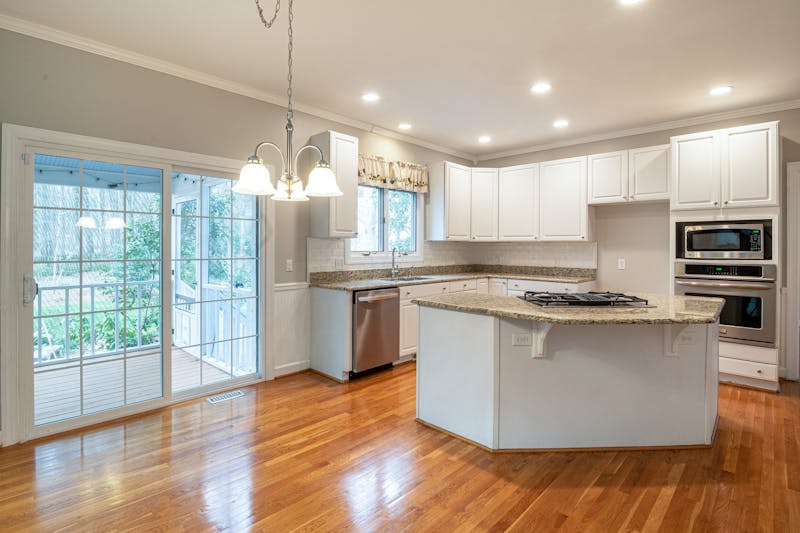
Backsplash installation follows the countertops. Tile, natural stone, or slab backsplashes each have different installation timelines and costs. Subway tile remains a timeless choice, while large-format porcelain slabs are trending in the Phoenix market for their clean, modern look.
Phase 6: Final Finishes
The final phase brings everything together. This includes installing light fixtures, cabinet hardware, faucets, appliances, and trim work. Touch-up painting, final electrical connections, and a thorough cleaning wrap up the project.
Your contractor should do a detailed walkthrough with you at this stage, creating a punch list of any items that need attention. A reputable contractor addresses every item on that list before calling the job complete.
Timeline and Cost Expectations for Phoenix
A full kitchen remodel in Phoenix typically takes six to ten weeks from demo to completion, assuming materials are ordered on time and no major surprises emerge during construction. Partial remodels — like refacing cabinets and updating countertops without changing the layout — can be completed in three to four weeks.
Cost ranges for Phoenix in 2026:
- Budget-friendly refresh: $15,000 - $25,000 (new countertops, cabinet refacing, updated fixtures and backsplash)
- Mid-range full remodel: $25,000 - $40,000 (new cabinets, countertops, appliances, flooring, lighting, and backsplash)
- High-end full remodel: $40,000 - $50,000+ (custom cabinets, premium countertops, layout changes, structural modifications, top-tier appliances)

Phoenix-Specific Considerations
Hard water: Phoenix has some of the hardest water in the country. Consider upgrading to a reverse osmosis system or whole-house water softener during your remodel. Choose fixtures with finishes that resist hard water buildup, such as brushed nickel or matte black.
Monsoon season: If your remodel involves any exterior work or your kitchen has exterior-facing openings, schedule around monsoon season (June through September). Sudden dust storms and heavy rain can delay work and damage exposed framing or drywall.
Summer heat: Scheduling a remodel during Phoenix's hottest months can actually work in your favor — contractors are sometimes more available, and materials like adhesives and grout cure faster in warm, dry conditions. Just make sure your contractor has adequate HVAC in place for the crew.
The Bottom Line
A kitchen remodel is a significant undertaking, but it doesn't have to be stressful. The key is choosing a licensed contractor who communicates clearly, provides a detailed scope of work, and has the experience to handle whatever surprises come up behind the walls.
If you're considering a kitchen remodel in the Phoenix area, we'd love to walk through your space and help you understand what's possible within your budget and timeline. Every project starts with a free, no-pressure estimate.
Ready to Start Your Kitchen Remodel?
Get a free estimate from a licensed Phoenix general contractor. We'll walk through your space and help you plan your dream kitchen.
Request Free Estimate