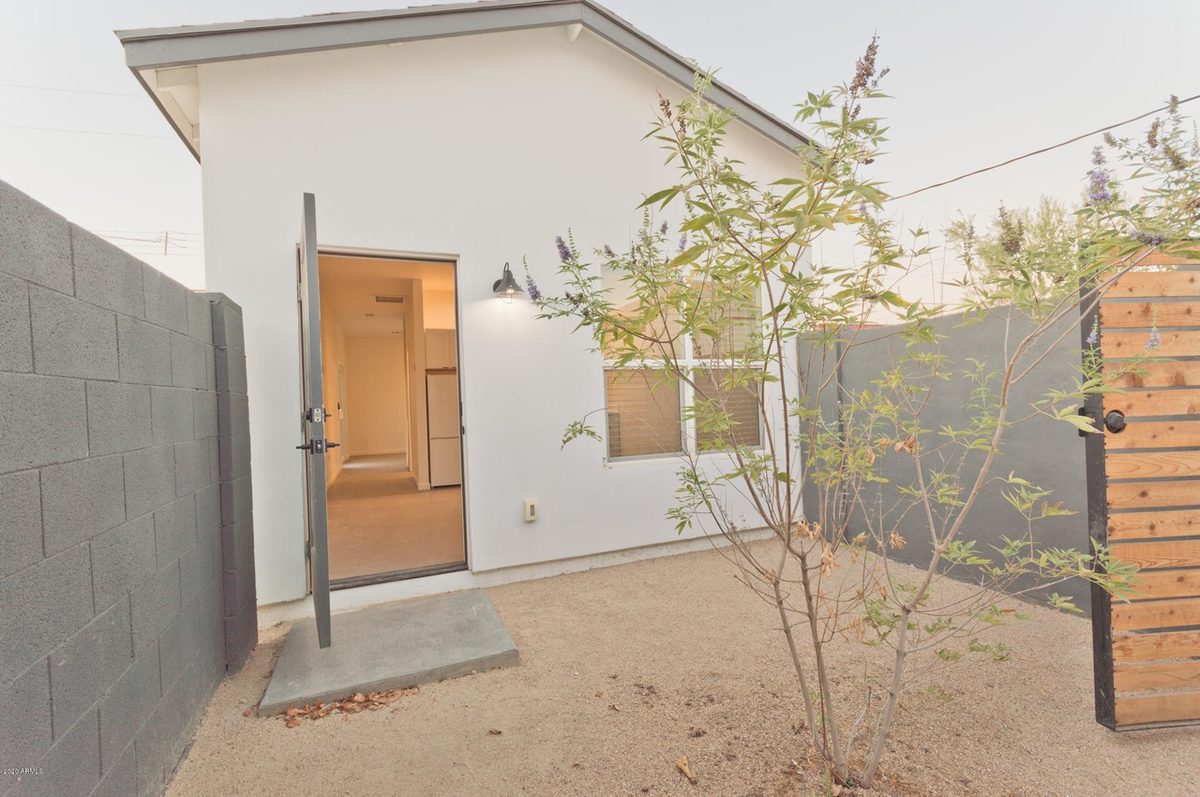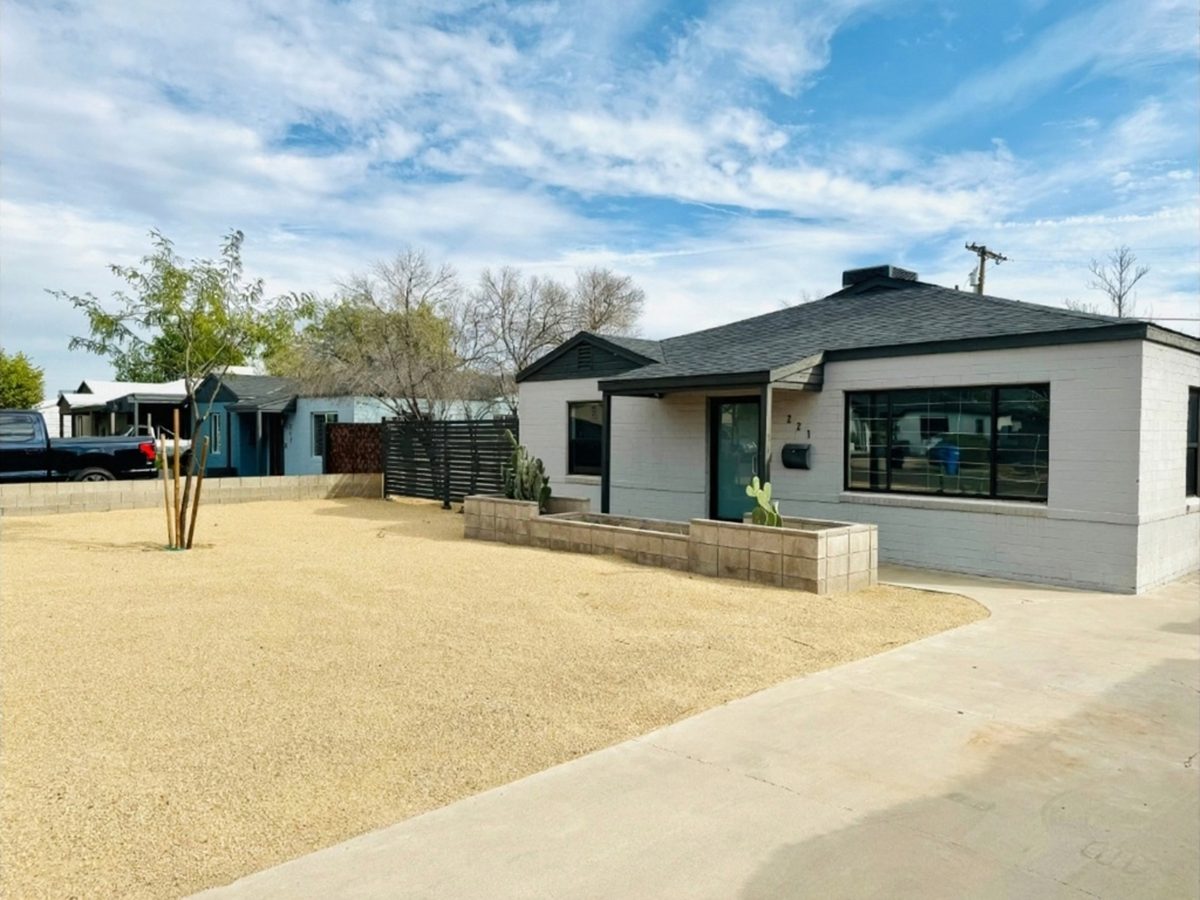
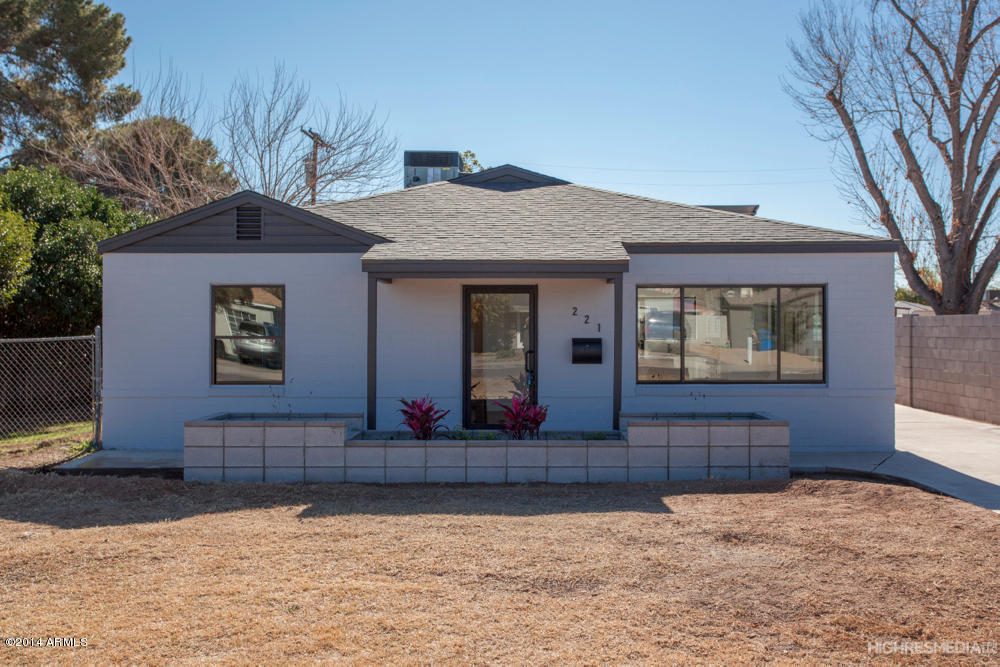
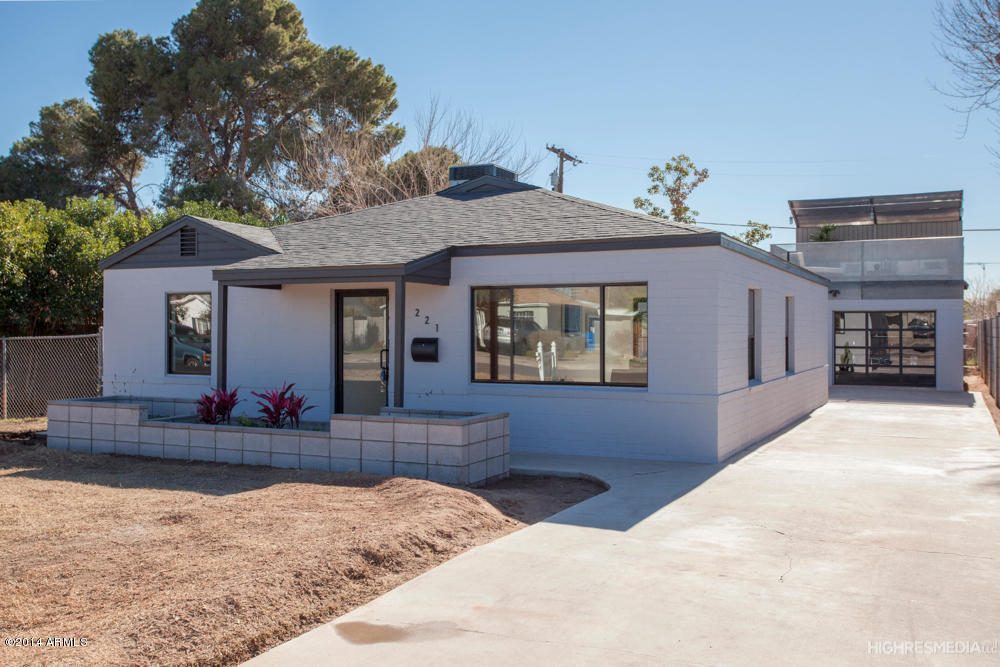
A dead grass front yard in Phoenix is a problem twice over. It wastes water trying to keep a lawn alive in 110-degree heat, and once that lawn loses the fight you are left staring at brown patches and bare dirt every time you pull in the driveway. We took one yard exactly like that and turned it into a clean, low-water desert landscape that looks good year round. Here is how the project went, start to finish, with the real before and after.
This is a single real project, not a stock-photo example. If you are tired of pouring water on grass that still looks rough, this walkthrough shows what a desert landscaping Phoenix makeover actually involves and what you can expect for the money.
Project at a Glance
- Location: Front yard of a single-family home in Phoenix, Arizona
- The problem: A dead, dried-out lawn and bare dirt with no real landscaping left
- Scope: Remove the dead turf, grade and prep the yard, install decomposed granite and drip irrigation
- Plants: Drought tolerant desert plants including cactus and agave, plus a young desert tree
- Hardscape: A raised block planter and a horizontal slat accent and privacy screen
- Benefits: Low water use, low maintenance, and a big jump in curb appeal
- Result: A xeriscape front yard that holds up to monsoon storms and summer heat
The Problem With Grass in the Desert
Grass is a thirsty plant, and the Phoenix climate is about as hard on it as anywhere in the country. To keep a lawn green through the summer you are watering nearly every day, and even then the heat burns spots, the soil compacts, and weeds move into the gaps. A lot of homeowners across Phoenix, Scottsdale, Tempe, Mesa, and Glendale end up in the same place: a high water bill and a lawn that still looks half dead.
This yard had passed that point. The grass was gone, the irrigation that had fed it was no longer doing any good, and what remained was packed dirt and a few stubborn weeds. The homeowner did not want to fight the lawn anymore. They wanted low water landscaping Arizona homes are actually built for, something that looks intentional and stays that way without constant work.
Planning the Desert Layout and Drainage
A good desert yard starts on paper, not with a shovel. Before anything came out of the ground we walked the yard and figured out where the eye should land, where to give the front of the house some privacy, and how water moves across the lot when it rains. Drainage matters more than people expect here. Phoenix gets very little rain most of the year and then dumps it all at once during monsoon season, so the grade has to carry that water away from the house and the driveway instead of pooling against the foundation.
We planned the layout around a few clear zones: open granite areas for a clean look, planting pockets for the cactus, agave, and the desert tree, and a spot near the front for the raised block planter and the slat screen. Laying it out first is what keeps a desert yard from looking like a parking lot with a couple of plants dropped in. It also tells you exactly where the drip lines need to run before you cover everything in granite.
Decomposed Granite and Drip Irrigation
Decomposed granite, or DG, is the workhorse of a Phoenix desert yard. It is the crushed stone ground cover you see across most low-water front yards, and there is a reason for that. It drains well, it does not blow around like loose gravel, it comes in colors that match the local look, and once it is compacted it gives you a firm, clean surface that needs almost nothing from you. For this decomposed granite front yard we prepped the soil, set the grade, ran a weed barrier where it made sense, then spread and compacted the DG to an even depth across the open areas.
Underneath all of that is the part you never see but rely on most: the drip irrigation. Instead of spraying water into the air where the sun takes half of it, drip lines deliver water right to the base of each plant on a timer. That is what makes a desert landscape genuinely low water. Every plant in the yard got its own emitter sized to what that plant needs, with the lines laid out before the granite went down so nothing is exposed. A drip system like this can be dialed back further as the plants establish, which drops water use even more over the first year.
The Plants That Thrive Here
The whole point of a xeriscape front yard is choosing plants that actually want to live in this climate. We planted drought tolerant species that handle full Phoenix sun, go a long time between waterings, and shrug off the summer heat: cactus for structure and character, agave for those bold, sculptural rosettes, and a young desert tree to give the yard height now and real shade down the road. As the tree fills in it will cool the front of the house and make the whole yard more comfortable to stand in.
These plants also have to survive the swing between bone-dry months and sudden monsoon downpours. Desert natives and adapted species are built for exactly that, which is why they keep their color and shape with so little help. Spacing matters too. We set each plant with room to reach its mature size so the yard looks deliberate today and still looks good in a few years instead of crowding itself out. This is the difference between drought tolerant landscaping that ages well and a yard that needs to be redone.
The Block Planter and Slat Screen
Granite and plants give you a clean desert yard, but the features are what make it feel finished. Near the front we built a raised block planter, a low masonry box that lifts a planting bed up off the ground and gives the cactus a built structure to sit in. It adds a hard, architectural line that plays off the soft shapes of the plants and ties the yard to the house.
We also built a horizontal slat accent and privacy screen. This is a freestanding panel of evenly spaced horizontal slats that does a couple of jobs at once. It adds a modern, warm element to a yard that is otherwise stone and plants, and it screens part of the front from the street without walling it off completely. Both the planter and the screen are the kind of work that falls squarely inside a general contractor's wheelhouse, which is part of why we can take a desert yard past the basic landscaping look and into something custom. It is the same construction and remodeling work we do indoors, just out front. Block work, footings, and a structurally sound screen are build tasks, not just planting.
The Finished Curb Appeal
The finished yard is a different house from the street. Where there was dead grass and dirt, there is now clean decomposed granite, drought tolerant plants with real shape and color, a young desert tree, the raised block planter, and the slat screen pulling it all together. It reads as intentional, it fits the desert instead of fighting it, and it does not need daily watering or weekly mowing to keep looking that way.
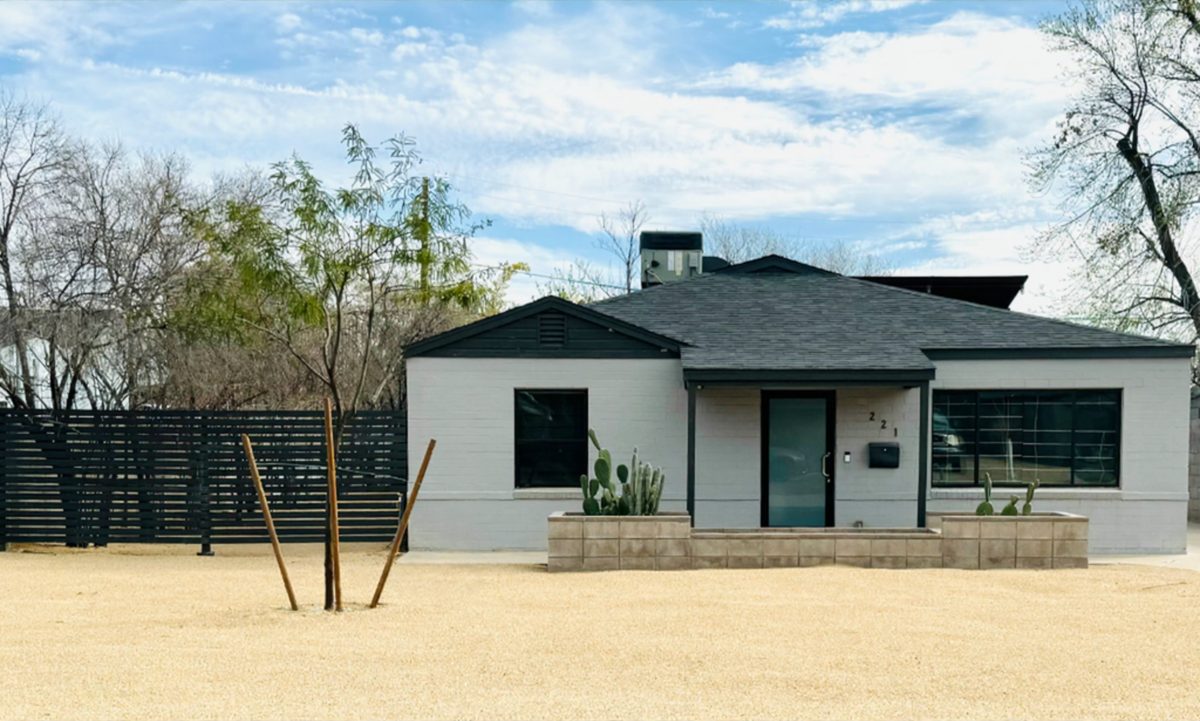
That is the real return on a project like this. The water bill drops, the upkeep nearly disappears, and the front of the house finally looks the way the owner wanted. A desert landscape done right is one of the better value home improvements you can make in Phoenix, because it pays you back every month in water and time, not just on the day it is finished. Learn more about our desert landscaping services, or see more of our finished work in the project gallery.
Frequently Asked Questions
How much does a desert landscaping or xeriscape front yard cost in Phoenix?
A front-yard desert landscape in Phoenix usually runs from about $4,000 to $15,000 or more. The range depends on the size of the yard, how much hardscape you add (block planters, walls, slat screens, pavers), the number and size of plants and trees, and whether you install a new drip irrigation system. A small, simple granite-and-plants yard sits at the low end, while a larger yard with custom block work and mature trees reaches the higher end.
Does desert landscaping really save water and money?
Yes. Drought tolerant desert landscaping uses far less water than a grass lawn, especially in the Phoenix summer when a lawn needs near-daily watering just to survive. There is also no mowing, edging, or fertilizing, so ongoing upkeep and cost drop too. Some Arizona water utilities offer grass-removal or xeriscape rebates, so it is worth checking with your provider before you start.
Do I need a permit for a desert landscaping project in Phoenix?
Most front-yard landscaping, including removing grass, installing granite, planting, and running drip irrigation, does not need a city building permit. Taller structures or walls can change that, so larger features get checked case by case. The bigger thing to verify is your HOA, since many Phoenix-area neighborhoods require approval of front-yard plans and keep an approved plant and material list.
Thinking About a Desert Yard of Your Own?
If you are ready to ditch the dead lawn, we will come out, look at your yard, and give you an honest estimate. We serve Phoenix, Scottsdale, Tempe, Mesa, and Glendale, and every project starts with a free on-site consultation.
Request Free Estimate