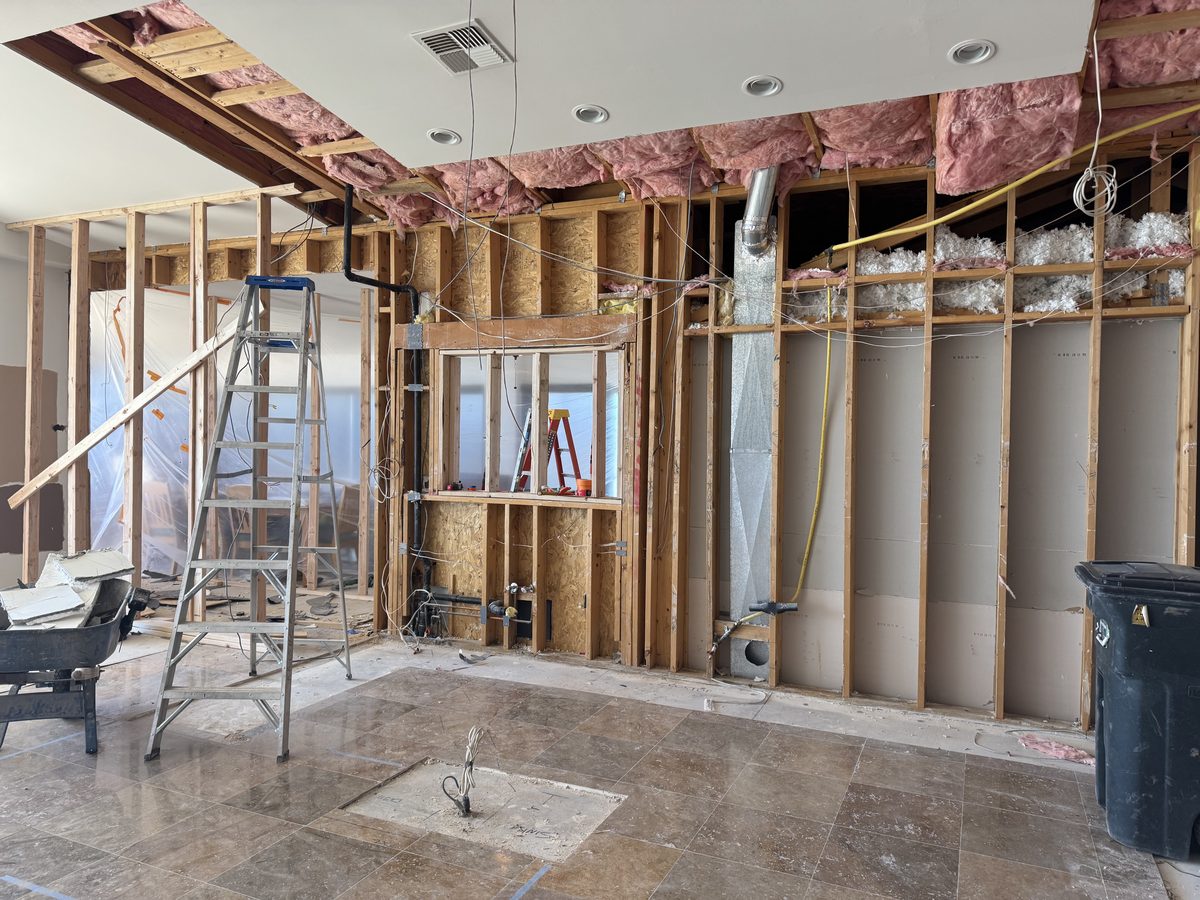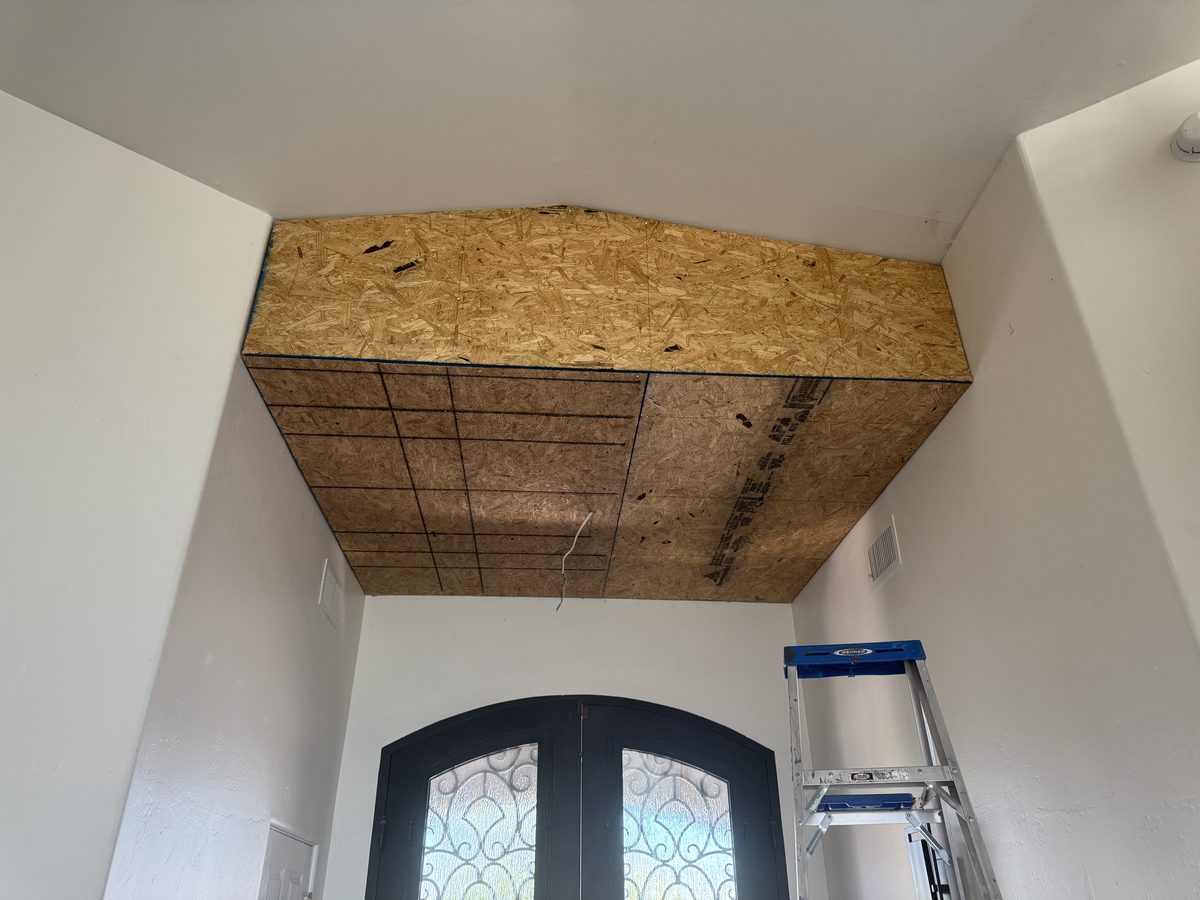
Most cosmetic remodeling in Phoenix needs no permit at all. Paint, flooring, cabinets, countertops and swapping a fixture in its existing spot are yours to do freely. You cross the line the moment the work touches structure, moves plumbing or electrical, alters a gas line, or changes the footprint of the house. And when you do cross it, the permit should be pulled by your contractor, in the contractor's name, not yours. Here is where the line sits for kitchens, bathrooms and wall changes, what permits cost on our recent jobs, and what skipping one does to a sale.
The Quick Answer, Project by Project
These are working rules for Phoenix and the surrounding Valley cities. The building department is always the final word, and knowing which side of the line your project falls on is part of what you hire a contractor for.
| Project | Permit? | Why |
|---|---|---|
| Paint, flooring, baseboards | No | Finishes only. Nothing behind the walls changes. |
| Cabinets and countertops, same locations | No | Replacement in place, as long as the sink and appliances stay where they are. |
| Fixture swap in the same spot | Generally no | A like-for-like toilet, faucet or sink swap does not alter the piping. |
| Moving plumbing or a drain | Yes | New drain and supply runs are inspected work, and on a Phoenix slab they involve the concrete too. |
| Gas line moved or extended | Yes | Gas work is permitted and pressure-tested, every time. |
| New circuits or a panel replacement | Yes | Electrical beyond a like-for-like device swap is inspected work. |
| Removing a non-bearing partition | Sometimes | The wall itself may not trigger one, but creating or eliminating a bedroom, or moving the wiring inside the wall, can. |
| Removing a load-bearing wall | Yes | Structural alteration, and the city will generally want an engineer's stamp on the beam calculation. |
| Addition or footprint change | Yes | New square footage is fully permitted work: foundation, framing, everything. |
What a Permit Actually Costs
Real numbers from our own recent jobs, because ranges pulled from national websites are useless here. On a permitted accessibility bathroom build in Phoenix, the city permit and plan review came to $1,200, and the stamped construction drawings the city required were another $3,000 from a residential designer. On a small partition-wall project, permit plus drawings was a $650 line, triggered only because the new room might be used as a bedroom.
Notice what those numbers say. The permit fee is rarely the big cost. The drawings requirement is the money, and the plan-review calendar is the time. Which leads to the part most articles skip.
Who Pulls the Permit Matters More Than the Fee
When a licensed contractor pulls the permit, it is pulled in the contractor's name. Their license number is on it, the inspections are their problem to schedule and pass, and if the work fails or the contractor disappears, you have ROC recourse, a bond and the state recovery fund behind you.
Arizona does let an owner-occupant pull a permit for work on their own home, provided the property is not intended for sale or rent. That exemption exists for genuine do-it-yourselfers. What it is also used for is less friendly: an unlicensed operator who cannot pull a permit asks the homeowner to pull it instead, and every bit of liability quietly moves onto the homeowner's shoulders. Under A.R.S. §32-1121, unlicensed work is capped at $1,000 per job including materials, so anyone proposing a homeowner-permit arrangement on a real remodel has already told you what they are. We are ROC #365090 and we pull permits in our own name; a quote should say a name on that line, and ours does.
Kitchens
A kitchen refresh that keeps the layout, new cabinets, counters, backsplash and appliances in the same spots, generally needs no permit. The triggers arrive with the layout: a sink moved into a new island means new drain and supply in the slab, a relocated range means gas line work, and a serious kitchen usually wants circuits the old panel never had. Our kitchen remodel cost guide covers what each of those does to the budget; the short version is that the permit is the cheapest part of the trigger, every time.
Bathrooms
Same principle, wetter room. Swapping the vanity, toilet and tub in place is permit-free; the permit arrives when a drain moves, and on a slab-on-grade Phoenix home a moved drain means saw-cutting concrete, which you want inspected regardless of what the law requires. The full slab story, with the line-item costs from a permitted bath we built, is in our bathroom remodel cost guide.
Walls and Layout Changes
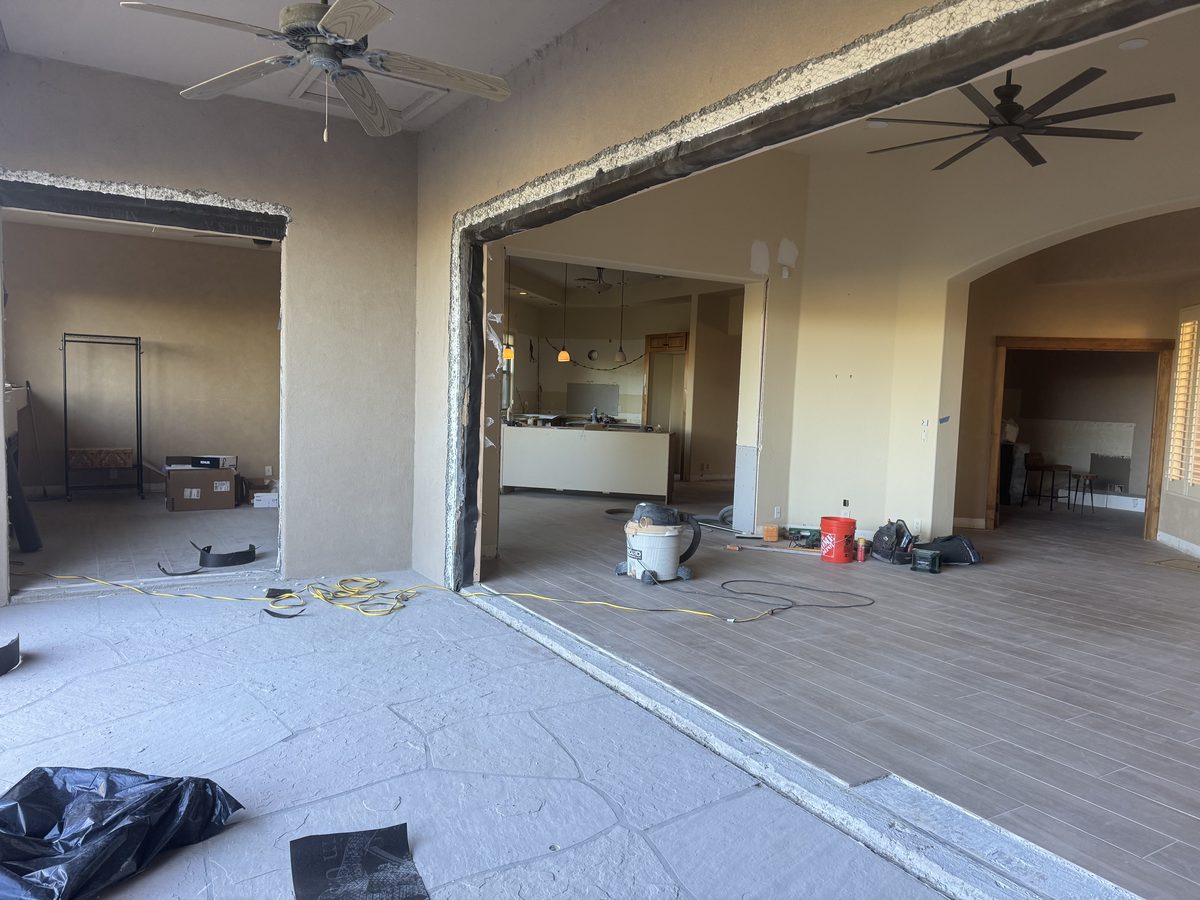
This is the category people get wrong most, in both directions. A load-bearing wall removal is always permitted work, with an engineer's stamped beam calculation behind it. But plenty of Phoenix homeowners assume the reverse, that a non-structural wall is a free-for-all, and that is not quite true either: add or remove a wall in a way that creates or eliminates a bedroom, or reroute the wiring inside it, and you can trigger a permit with no structure involved at all. The $650 permit line on our partition quote existed for exactly that reason. Before any of it, the question that decides the whole project is whether the wall carries load, and we wrote a full guide to telling whether a wall is load-bearing in a Phoenix home so you can get a confident read before anyone opens drywall.
The Timeline Nobody Budgets
Permit review in Phoenix typically runs one to two weeks, longer when the project is complex, and on permitted remodels plan review is usually the single longest wait in the whole job, ahead of any construction task. The sequence matters as much as the wait: the permit is issued before demo starts, rough plumbing and electrical are inspected before drywall covers them, and the final inspection closes the job. A contractor who wants to hang drywall before the rough inspection has been passed is asking you to gamble your walls on it.
What Unpermitted Work Costs Later
Honestly: plenty of unpermitted work changes hands in Phoenix every year and nothing happens. The risk is not evenly spread across time. It concentrates at two moments.
The first is resale. Arizona sellers disclose known unpermitted work, buyers' inspectors are good at spotting remodeling that looks newer than its paperwork, and the repair-request negotiation that follows is exactly where an unpermitted wall removal or bathroom addition turns into a price concession, a retroactive permit scramble, or a dead deal. We wrote about how that negotiation works in our Arizona BINSR guide. The second is claim time: when a fire or water loss traces back to unpermitted electrical or plumbing, the insurer has grounds to fight, and that argument arrives at the worst possible moment. Cities can also stop an in-progress job and require finished work opened back up for inspection, which means paying for drywall twice.
One More Thing: Every Valley City Has Its Own Counter
Phoenix, Scottsdale, Mesa, Chandler, Gilbert, Tempe, Glendale and Peoria each run their own permitting department with their own submittal quirks and timelines, on the same residential code foundation. The rules of thumb above hold Valley-wide; the paperwork and the wait vary by city, which is one more thing that should be your contractor's problem rather than yours.
Common Questions About Remodeling Permits in Phoenix
Do I need a permit to remodel a kitchen or bathroom in Phoenix?
Not for finishes. Paint, flooring, cabinets, countertops, backsplash and swapping fixtures in their existing locations are generally permit-free in Phoenix and the surrounding Valley cities. You need a permit once the work moves plumbing, gas or electrical, changes framing or structure, or alters the footprint of the house. In practice that means a same-layout refresh usually needs no permit and a layout change almost always does.
Do I need a permit to remove a wall in Phoenix?
If the wall is load-bearing, yes. Structural alteration is permitted work across the Valley, and the city will generally want a structural engineer's stamped calculation for the beam that replaces the wall. A non-bearing partition is lighter, but the change can still trigger a permit on its own if it creates or eliminates a bedroom or moves electrical. On a recent partition-wall quote we carried permit and drawings as a $650 line for exactly that bedroom scenario.
How much does a remodeling permit cost in Phoenix?
On a recent permitted bathroom build we handled in Phoenix, the city permit and plan review came to $1,200, and the stamped drawings the city required were another $3,000. On a smaller partition-wall project, permit plus drawings was a $650 line. The pattern is that the permit fee itself is rarely the big number; the drawings requirement and the plan-review calendar are what a permit really costs.
Can a homeowner pull their own permit in Arizona?
Arizona allows an owner-occupant to pull a permit and do their own work on their own home, provided the property is not intended for sale or rent. What that exemption does not cover is hiring someone else to do the work under your permit: then the liability for the work, the inspections and anything that goes wrong sits with you instead of a licensed contractor. When a contractor asks the homeowner to pull the permit, that is usually the sign of a missing license, and it is the point to stop.
What happens if I remodel without a permit?
Usually nothing, until the two moments where it costs real money. At resale, the buyer's inspector flags work that looks newer than its paperwork, and unpermitted structural or plumbing changes end up on the repair-request list or kill the deal. At claim time, an insurer investigating a fire or water loss that traces to unpermitted work has grounds to fight the claim. Cities can also issue stop-work orders and require walls opened back up so work can be inspected retroactively.
If You Are Pulling One Permit, Make It Count
A permit's real costs are drawings, inspections and calendar, and those are largely fixed whether the scope is one change or three. That makes a permitted remodel the moment to do the other inspected work you have been putting off, under the same permit and the same mobilized trades, typically 25-50% cheaper than scheduling each as its own project later. While a wall is open and an electrician is on site, add the circuits and outlets the room never had (and if the panel is original, have it assessed then, not after the drywall is closed; our post on aging electrical panels covers the signs). If plumbing is already being inspected, it is the cheapest day there will ever be to rough in that laundry hookup on the other side of the wall. Bring these up when the scope is being written, before the drawings go in for review.
If you are not sure which side of the permit line your project falls on, send us photos and a description and we will tell you straight, including when the honest answer is that no permit and no contractor is needed. When it is permitted work, we handle the drawings, pull it in our name and schedule every inspection.
Not Sure If Your Project Needs a Permit?
Free, no-pressure estimates across the Phoenix metro, with a straight answer on permits, drawings and timeline before you commit to anything.
Get a Free Estimate