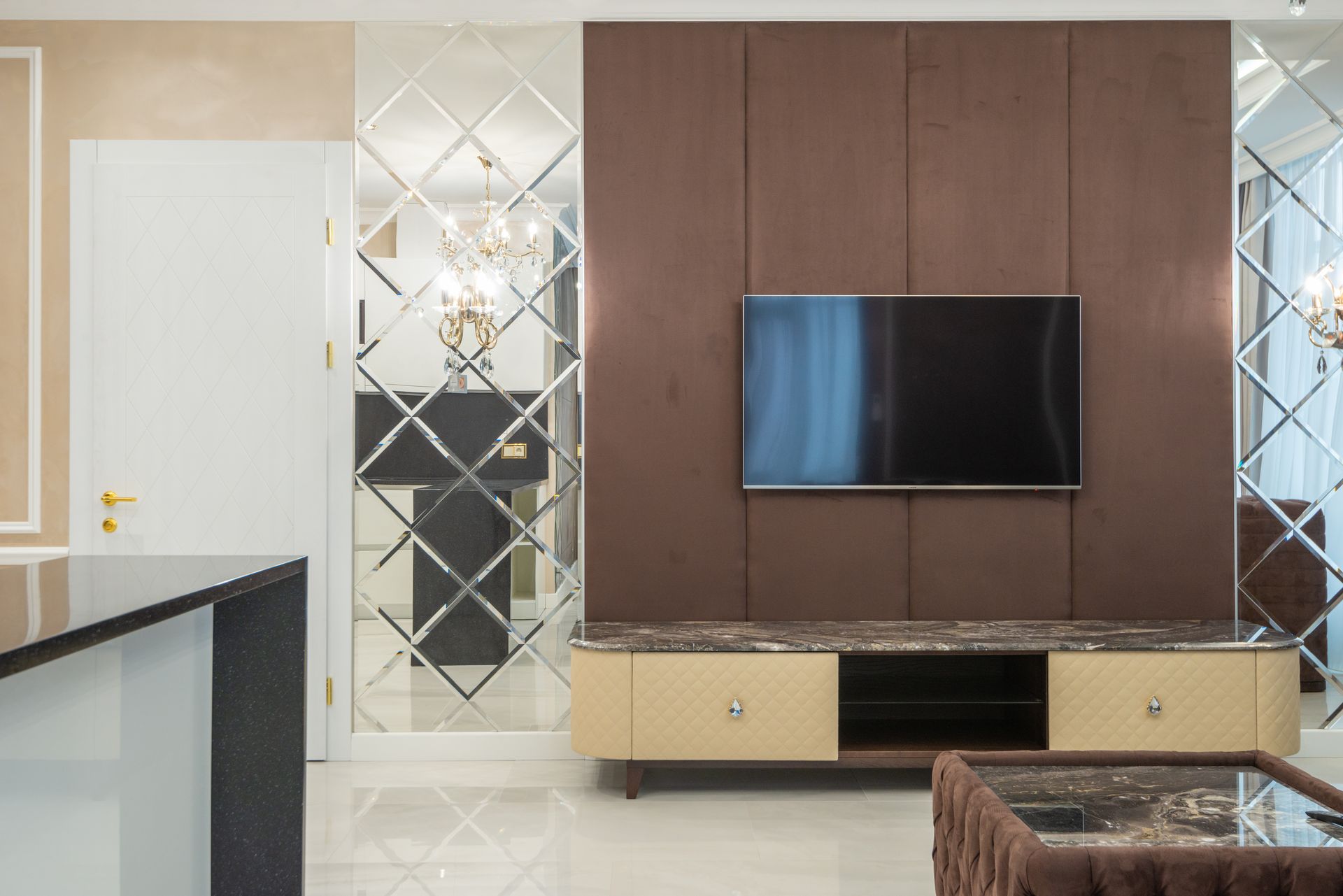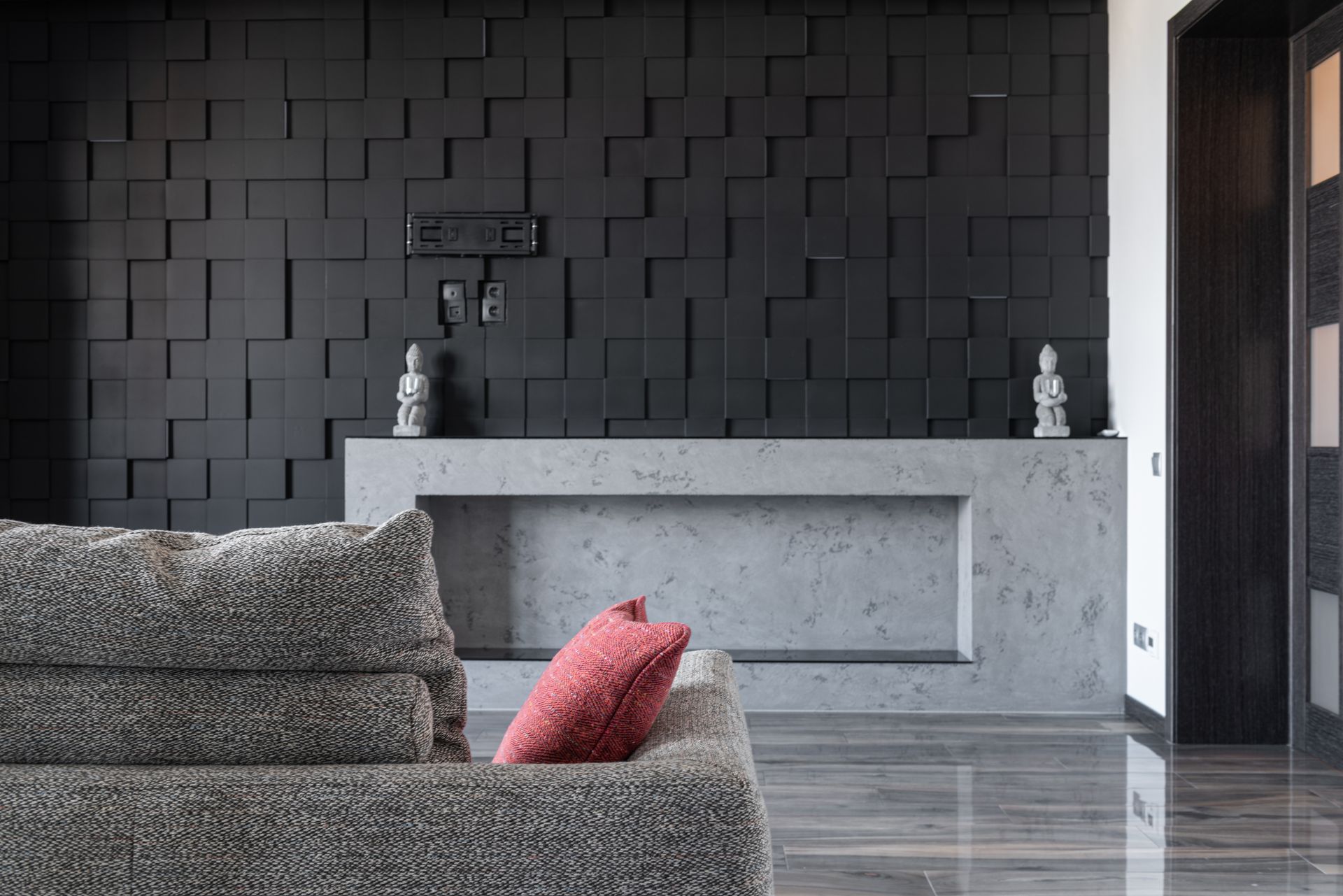
As of August 2026, interior plaster finishes in the Phoenix metro run $4 to $30 per square foot installed, and most whole rooms land between $10 and $20 per square foot. The exception is a true waterproof tadelakt wet room, which is its own category at $50 to $100 and up. Three things set your number: which finish you pick, what condition the wall is in before anyone opens a bucket, and how many coats the look takes. Lime wash is the entry point. Roman Clay and microcement sit in the middle. True multi-coat burnished Venetian plaster is the top of the standard range. The full chart is below, along with the parts of this trade that rarely make it into writing: which finish actually survives a shower, what the wall has to be before plaster goes on it, and how the desert changes the schedule.
We are a licensed Arizona general contractor, ROC #365090. We do this work across the Valley, and we handle everything it touches: the wall behind the finish, the wet area under it, and the lighting that shows it off. One contract, one number to call.
Interior Plaster Finish Price Chart, Phoenix 2026
Installed prices per square foot of wall, not floor area, covering labor and material for licensed, insured work. Your number gets confirmed free, after we see the walls.
| Finish | Typical Installed Price (2026) | What Drives the Price |
|---|---|---|
| Lime wash (Portola Lime Wash and equivalents) | $4–$15 per sq ft, installed | The wall underneath sets the price. Painted drywall needs a mineral bonding primer and three coats to get the depth people want. |
| Natural clay plaster (American Clay and similar) | $9–$11 per sq ft, installed | Coat count and wall condition set the price. Clay is the softest finish here, so it suits low traffic walls. |
| Microcement over existing tile or concrete | $10–$18 per sq ft, installed | This is skilled hand work, and labor is roughly 80% of the cost. Nothing gets torn out. Stairs, corners and detail work raise the price. |
| Portola Roman Clay | $12–$18 per sq ft, installed | Material is only about $1.20 to $1.50 per square foot. The rest is highly skilled hand work, and that skill is what you are paying for. |
| Marmorino and Italian stucco (interior) | $10–$25 per sq ft, installed | It goes on thicker than polished Venetian, so it uses more material. The matte finish is achieved by hand, not by a different product. |
| Venetian plaster, true multi-coat and burnished | $15–$30 per sq ft, installed | This is the most skilled work on the chart. Burnishing alone is 20% to 30% of the labor. Colored material, curves, columns and rounded corners all add more. |
| Tadelakt as a decorative wall finish | $15–$16 per sq ft, installed | This is the dry area version. It is burnished, but it is not built as a waterproof wet room. |
| Tadelakt as a true waterproof wet room | $50–$100+ per sq ft, installed | Multiple burnishing passes and an olive oil soap cure make the surface waterproof. This is the most demanding work we do, measured in days rather than hours, and the shower assembly underneath has to be built correctly. |
| Faux finishes, glazing, strié, metallics | $2–$15 per sq ft, installed | Technique sets the price. Stripes run $2 to $4. Color washing and glazing run $4 to $12. Stenciling and metallic work reach $10 to $15. |
| Level 5 skim coat prep, billed separately | $1.10–$1.30 per sq ft of wall | This is the line item that decides whether the finish looks like the photo. The range covers skimming a wall that is already smooth. Knocking down existing texture is a separate line. |
| "Venetian plaster" in a can (acrylic look-alike) | $6–$8 per sq ft, installed | This is not a mineral plaster. It is a paint product with body in it, sold under the same name. That is why one bid can be a third of another. |
Ranges reflect the 2026 Phoenix market for licensed, insured work. Send us photos of your walls and we will come back with your number, free.
What counts as interior plaster, and what is just textured paint
This is the first thing to settle, because it explains a price gap that will otherwise look like one contractor gouging you. Real interior plaster is a mineral finish: slaked lime, marble dust, natural clay, or cement, troweled on in thin coats. Lime plaster does not dry so much as cure, hardening by pulling carbon dioxide out of the air and turning back into limestone, a reaction that keeps running for weeks after the crew leaves. Cement-based microcement sets chemically too, by hydration. Clay is the odd one out: it dries rather than sets, which is why it re-wets and patches so easily and also why it is the softest surface here. What all three share is a required wait between coats, because each coat has to firm up before the next can be worked over it.
Sold next to it, under nearly the same name, is a canned acrylic product marketed as Venetian plaster. It is paint with body in it. Roll it, trowel it a little, and you get a suggestion of the look for about $6 to $8 per square foot installed. Real lime plaster carrying marble powder, applied in two to four coats and burnished by hand, runs $15 to $30. Two different products wear one name, and that is the single most useful thing to know before you read a bid.
When you hold a $7 per square foot bid next to a $22 bid, you are usually not comparing two contractors. You are comparing two materials. Ask which one is in the bucket and ask for the product name.
Venetian plaster cost in Phoenix
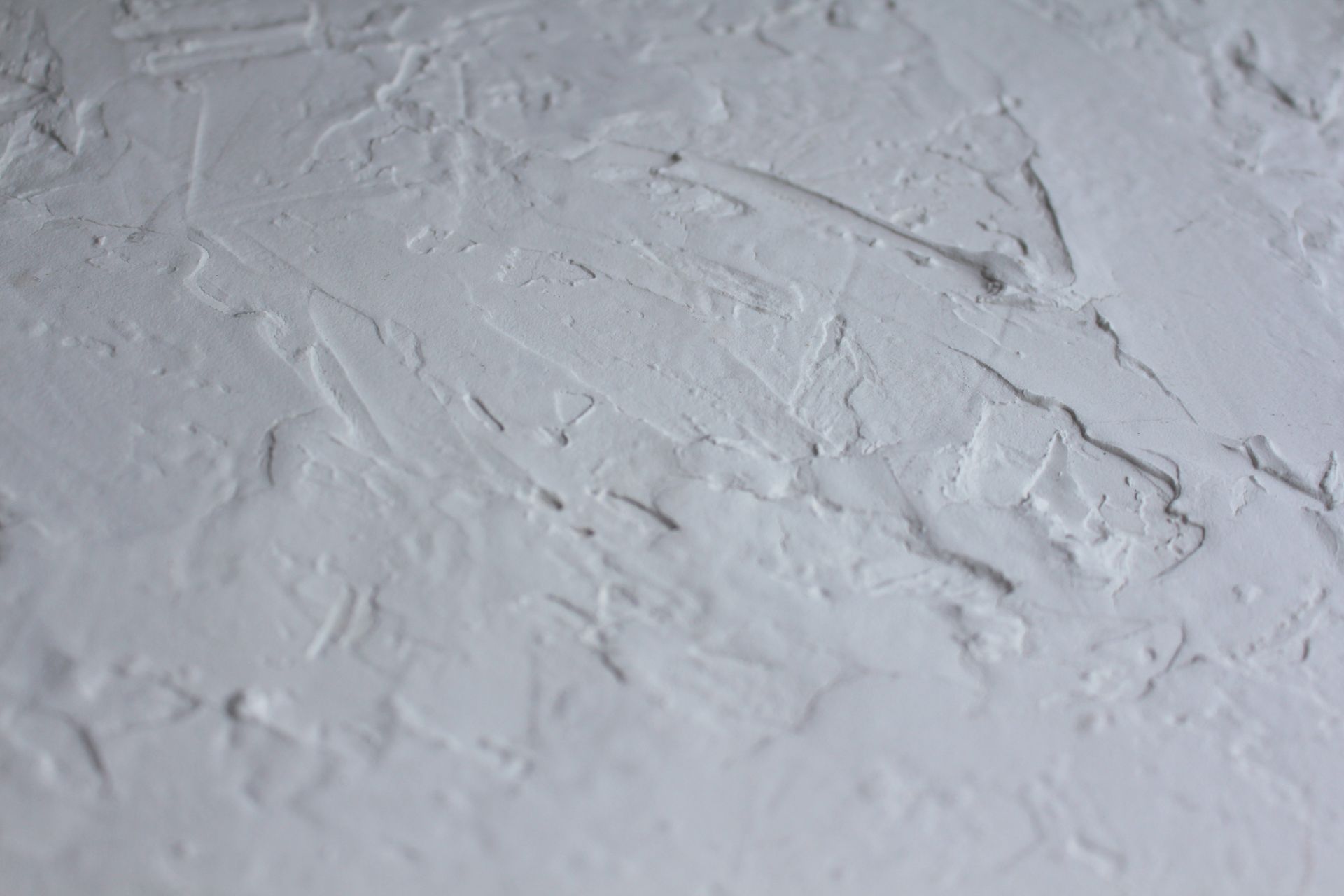
True multi-coat, burnished Venetian plaster runs $15 to $30 per square foot installed in the Valley, and a straightforward feature wall usually lands between $18 and $25. In practice a 180 square foot feature wall lands near $3,800, or about $21 a foot, and a 350 square foot primary bath lands near $9,100, or about $26 a foot. A bath runs above a flat feature wall because it is nearly all cut-in: corners, niches, a mirror wall, and fixtures to work around.
The material is lime putty carrying marble dust, often 40% or more in true polished plaster. Limestone is burned to quicklime, slaked with water, then aged into putty, which is the same sequence used for this since the Romans. It goes on in thin coats with a steel trowel, and the last pass is burnished: pressure and angle against the firming plaster until it takes on that deep, stone-like sheen. That pass typically happens inside a 20 to 40 minute window, then gets polished again over the next day or two as the wall hardens. You are not spreading material at that point, you are compressing it. If the plaster still moves under the trowel it is too soon, and if a thumbnail will not mark it at all it is too late. On a Venetian job the hours break down to roughly 20% to 30% substrate prep, 40% to 50% application, and 20% to 30% burnishing.
It earns its price where stone cannot go. Curved walls, columns, corbels, a barrel ceiling, a range hood: places where marble panels are either impossible to fit or absurdly expensive. On a flat rectangular wall it is a luxury choice. On a curve it is often the only way to get that surface at all.
Italian stucco for interior walls in Phoenix: Marmorino, Grassello and stucco lustro
Search "Italian stucco" in Phoenix and you will get exterior stucco repair contractors, because Google cannot find enough interior content to fill the page. So, to be clear: this section is about interior walls, not about the stucco on the outside of your house. They are different trades with different materials.
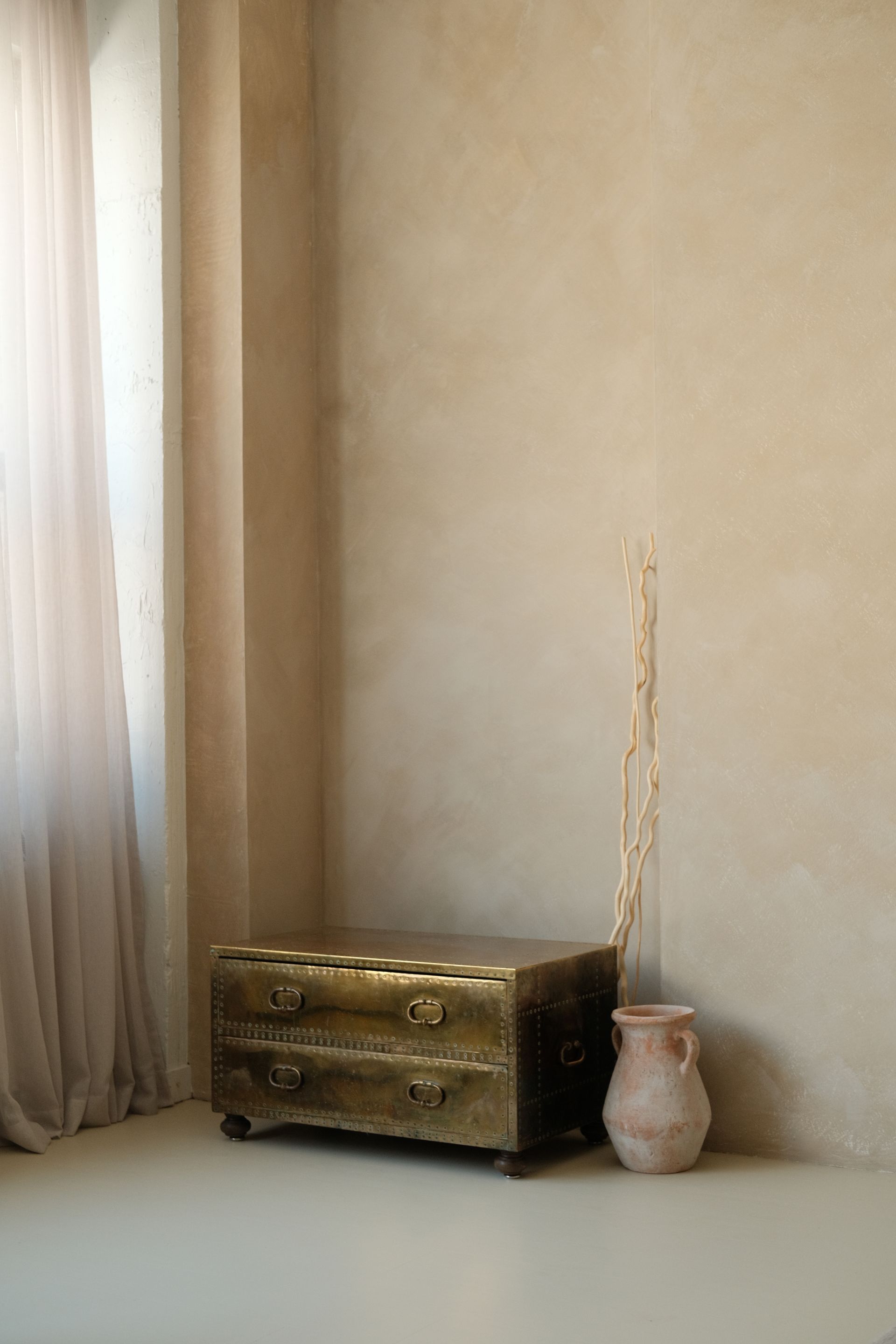
Interior Italian stucco is a family, and the names matter when you are specifying. Marmorino is natural limestone with powdered marble and fine sand, applied thicker than polished Venetian and finished matte to low sheen, so it reads like honed stone. It is old enough to predate its own category, first recorded in a 1473 building contract with the nuns of Santa Chiara of Murano. Grassello is the glassy end of the family, polished to real depth. Stucco lustro lands between them with a wet-stone sheen, and spatolato describes the trowel-worked, mottled surface people usually mean when they say "the Italian look."
Priced installed, this family sits in the $10 to $25 per square foot band. Marmorino is applied thicker so it consumes more material per square foot than Veneziano, and the matte finish is a technique, not a different product in the bucket. Locally, Arizona Paint Supply carries Meoded's Marmorino line, and the published two-coat coverage per 20 kilo bucket is a range rather than a number: Tintoretto roughly 160 to 240 square feet, Palladino roughly 100 to 180. Porosity and how much texture you want decide where in the range you land. Coverage per bucket is still the fastest way to sanity check the material line on any bid, as long as you ask for the low end of the range and not the top.
Portola Roman Clay: what it costs and who applies it in Phoenix
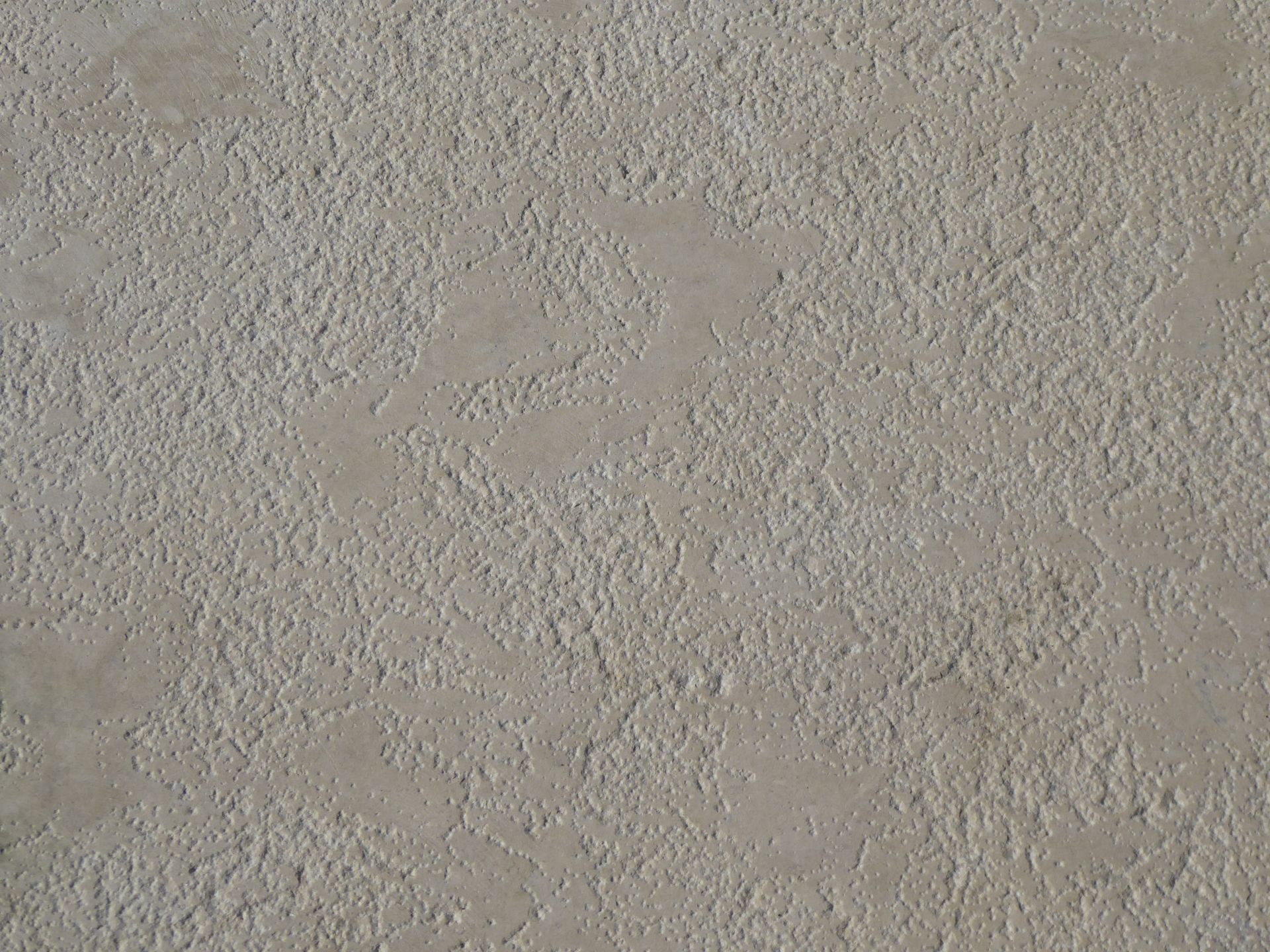
Portola Roman Clay runs $12 to $18 per square foot installed, and the spread is the applicator, not the product. Portola sells by weight and publishes coverage, so the math is unusually transparent. One kilo at about $30 covers 20 to 25 square feet at two coats, which is $1.20 to $1.50 per square foot in material. Buying the 20 kilo unit at about $345 for 400 to 500 square feet cuts that roughly in half. Either way material lands somewhere between about $0.70 and $1.50 per square foot, and everything above it in the installed price is preparation and hands.
Roman Clay goes on with a putty knife in thin overlapping passes, two coats minimum, with a light sanding between them. It cures to a suede-matte surface with soft cloudy movement, which is the look people bring us screenshots of. It wants a level 5 wall underneath, and light colors want plastic knives rather than metal, because a steel edge burnishes light clay and leaves shiny drag marks that will not disappear.
There is a widely searched question behind this finish that we should answer plainly: Portola's Roman Clay topcoat does not waterproof anything. Portola's own retailer states it. The topcoat slightly darkens the color and adds about an eggshell sheen, which makes the wall wipeable and is useful in a powder room or a hallway. It is not a shower product and it is not a substitute for a waterproof assembly.
If you have already picked a Portola color and just need someone in Phoenix who can hang it properly, that is exactly the work we take on. Portola sells nationally and lists no Phoenix installer, which is why that search goes nowhere.
Portola Lime Wash and limewash walls in Phoenix
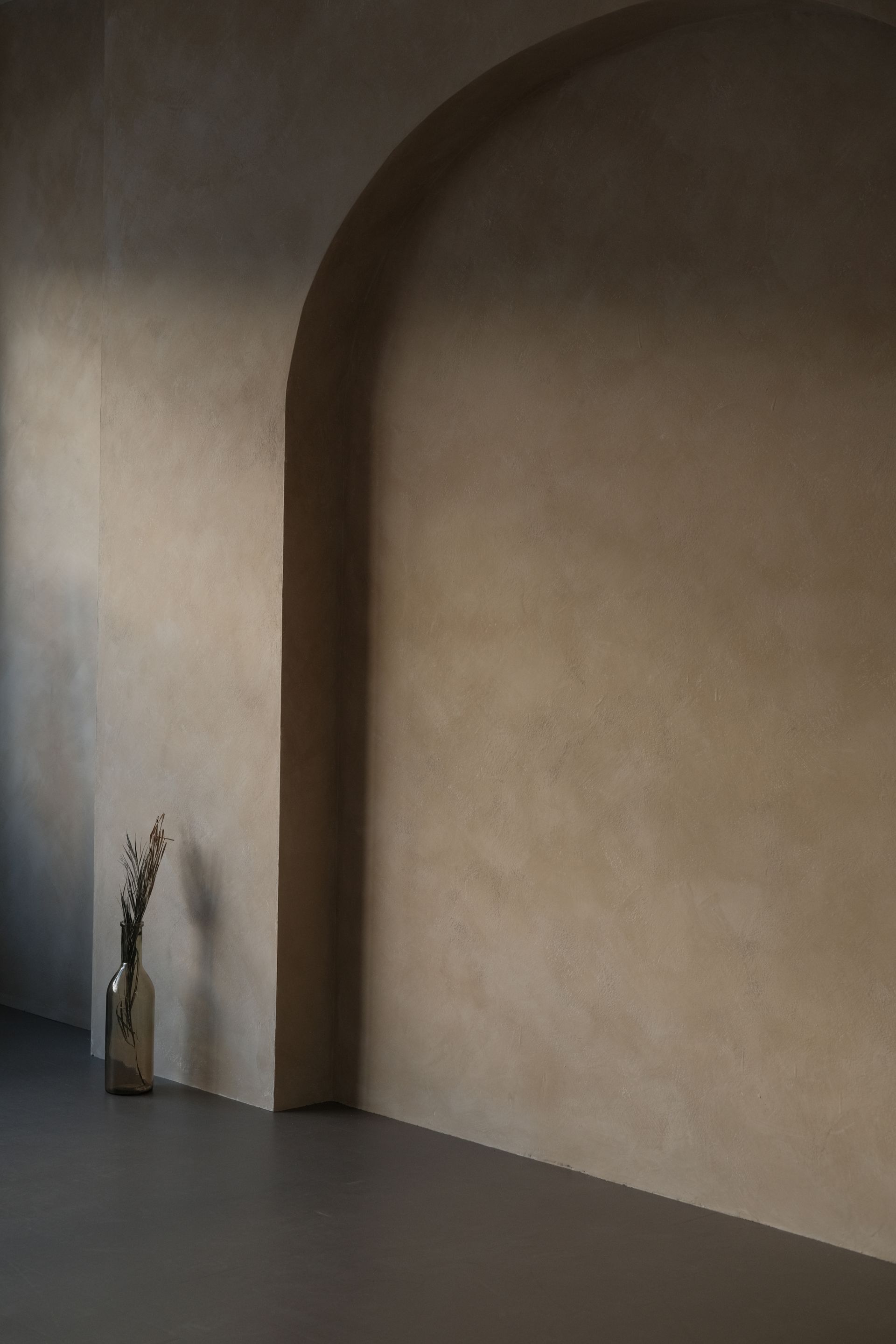
Interior lime wash runs $4 to $15 per square foot installed, and Phoenix interiors sit in the upper half of that, closer to $9 to $15. You will see $1.50 to $6 quoted online. That price is lime wash on porous exterior brick, where the wall drinks the material and needs almost no preparation. Interior work is a different job.
Interior lime wash over painted drywall is a different animal. Lime wash bonds into a porous mineral surface. Painted drywall is neither porous nor mineral, so the wall needs a mineral bonding primer first, and it takes about three coats to produce the rich, velvety movement people recognize from the photos. One coat is subtle to the point of looking like a mistake. Two is moderate. The preparation and the third coat are the money.
Portola Lime Wash sells at roughly $84 per gallon covering 150 to 200 square feet at two coats, so here again the material is a small fraction of an installed price. It is brushed, not troweled, and it dries lighter than it looks wet, which is why we put a sample on your actual wall and let you look at it in morning and afternoon light before anyone commits.
One honest correction, because it gets repeated everywhere: the "lime wash lasts 30 years" claim describes exterior masonry. On an interior wall, expect five to eight years before it wants a refresh coat, and that is about scuffing and soiling rather than the material failing. It is still far longer than a paint cycle, and a refresh is a recoat rather than a teardown.
Tadelakt in Phoenix: the only plaster we will put in a wet shower
Tadelakt is Moroccan lime plaster, burnished with a river stone and then cured with black olive oil soap. The soap reacts with the lime to form calcium stearate, and that reaction, not a sealer, is what makes the surface genuinely waterproof. It is the only finish on this page we will specify for a working shower.
The price literature on tadelakt contradicts itself in public, so here is the reconciliation. The cost aggregators publish $15 to $16 per square foot, and they list tadelakt alongside ordinary wall coatings. That figure describes tadelakt used decoratively on a dry wall. A true wet room installation, with the multiple burnishing passes and the soap cure done properly over a correctly built shower assembly, is published at $50 to $100 per square foot and up. Both numbers are real. They describe different jobs, and you should know which one you are being quoted before you sign anything.
What sits behind the plaster matters as much as the plaster. Tadelakt is a finish, not a waterproofing membrane system by itself, and a shower still needs to be built correctly underneath: proper slope, a sound substrate, and the right assembly at the pan and the curb. Tadelakt also wants a mineral substrate, a cement or lime render over masonry or a proper scratch coat, not painted drywall or greenboard, and it does not tolerate a substrate that moves. It is a craft finish rather than a listed waterproofing membrane, which is exactly why what sits behind it has to be built right. That is general contracting work, which is the part we handle directly. Our related work on shower pan rebuilds and leak repair is the same problem approached from underneath.
Microcement walls and floors in Phoenix
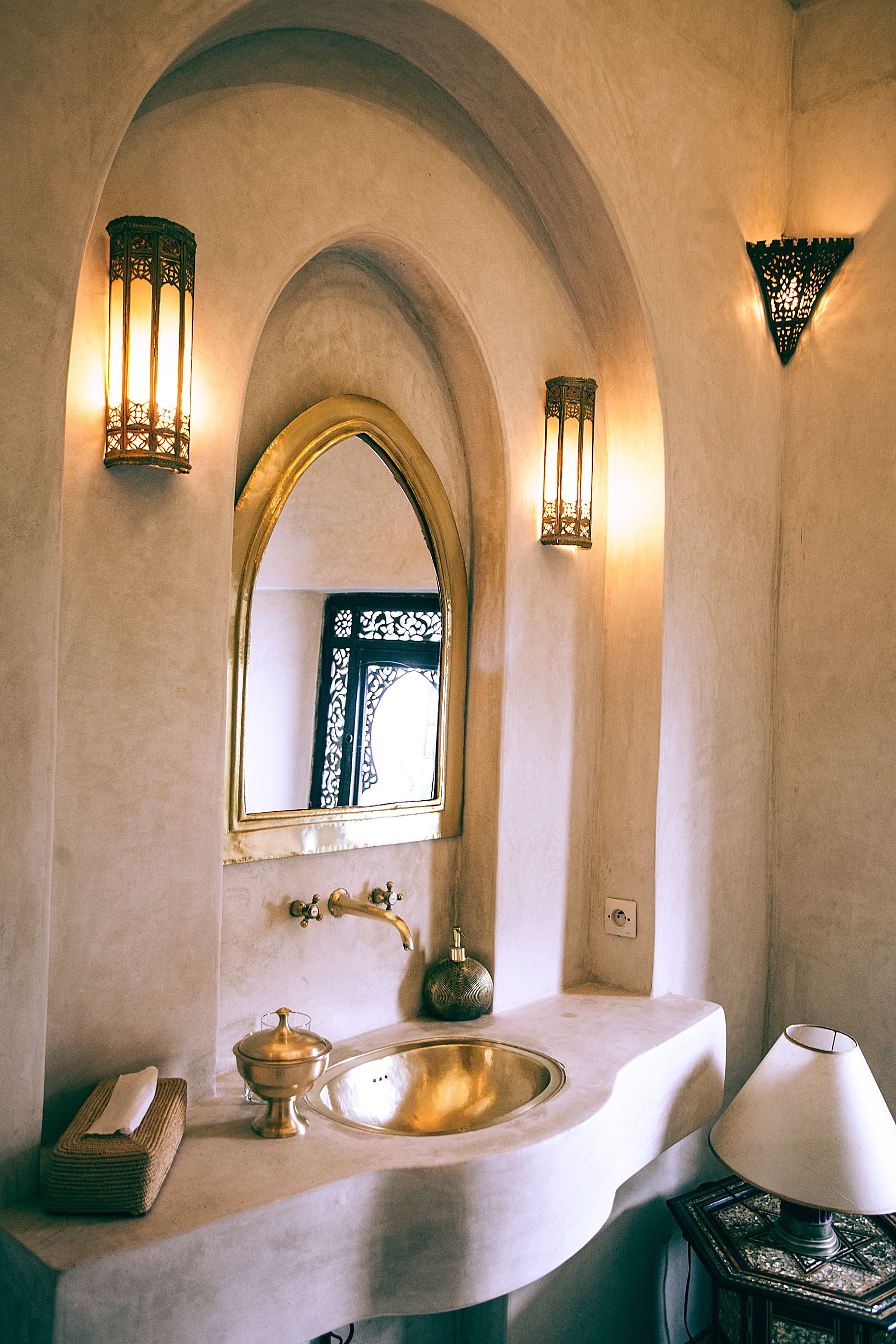
Microcement runs $10 to $18 per square foot installed, and roughly 80% of that is labor. It is a thin polymer-modified cement coating that goes over existing tile, terrazzo, marble, concrete, or plasterboard without tearing any of it out. That is the whole argument for it: no demolition, no dumpster, no three days of tile removal and the dust that comes with it. It is not, however, prep-free. The tile has to be sound and firmly bonded, because anything drummy or loose comes out first. Glazed faces get degreased and abraded so the coating has something to key into, a primer made for low-porosity surfaces goes down, and fiberglass mesh gets embedded in the base coat to bridge the grout lines. Skip the mesh and the grout pattern ghosts through the finish months later. What you are buying is skipping the teardown, not skipping the preparation.
It is sealed after application, which makes it water resistant and suitable for bathroom walls and floors and for kitchen backsplashes. Water resistant is not the same as waterproof. The same rule that applies to tadelakt applies here: microcement can go inside a shower, but only over a proper waterproofing membrane, because the microcement is the finish and not the waterproofing. Outside the wet zone that distinction stops mattering. What we specify is a mesh-reinforced base coat under a two-component polyurethane sealer, and the sealer is the part that wears, so plan on re-coating it well before the coating itself is due for anything.
Worth knowing if you have been searching this one: the results you are seeing for microcement in Phoenix are mostly European manufacturers' templated city pages. They are not local crews. Ask whoever quotes your job to name the system they use and show you a job they finished in the Valley.
American Clay and natural clay plaster
Natural clay plaster, sold in this market mostly as American Clay, is the finish to ask about if indoor air quality is driving the decision. It is zero VOC with no off-gassing over the cured life of the wall, it does not support microbial growth, and it is porous enough that moisture moves through rather than accumulating behind it. It also buffers humidity, taking on moisture and releasing it as the room changes.
Priced with troweled lime plaster at roughly $9 to $11 per square foot installed, it is one of the more affordable real mineral finishes. The tradeoff is hardness. Clay is the softest surface on this page. It belongs in bedrooms, nurseries, offices, and low traffic feature walls, and not in a hallway where a laundry basket hits the corner twice a day.
Faux finishes, metallics and leafing in Phoenix
Faux finishing is the older name for this category and it still describes real work: glazing, color washing, strié, rag rolling, marbleizing, metallic and pearlescent surfaces, and gold or silver leafing on ceilings, niches, and moulding runs. Priced by technique, stripes start around $2 to $4 per square foot, glazing and color washing run $4 to $12, strié about $8 to $12, and stenciling and metallic work reach $10 to $15.
These are paint and glaze systems rather than mineral plasters, and the honest guidance is that for most of what people now want, a mineral finish is the better answer. It carries depth in the material rather than in a layer on top, it does not fade the same way, and it repairs differently. Where faux still wins outright is metallic and leafed work, and anything decorative that has to match an existing painted finish. Straight painting, inside and out, sits with our painting work.
Venetian plaster vs lime wash vs Roman Clay: which finish for which room
Lime wash for warmth and softness on a budget. Roman Clay for depth without shine. Venetian plaster where you want stone, microcement where you want a surface with no grout lines, and tadelakt anywhere there is running water. The table below is the version of this comparison built for the desert rather than for a humid coastal climate, which is where most of the comparison content online was written.
| Finish | Look | Coats & cure | Cost / sq ft | Refresh | Best for | Avoid |
|---|---|---|---|---|---|---|
| Lime wash | Flat, chalky | 2–3 coats, 8–12 hr | $4–$15 | 5–8 yrs | Bedrooms, living rooms, fireplaces | Showers, high-scuff halls |
| Roman Clay | Suede matte | 2 coats, 8–12 hr | $12–$18 | 8–12 yrs | Whole rooms, offices, powder rooms | Inside a shower |
| Venetian plaster | Polished, stone-like | 2–4 coats, 12–24 hr | $15–$30 | 15–20+ yrs | Entries, stair walls, curves, range hoods | Budget whole-house scopes |
| Marmorino / Italian stucco | Matte to low sheen | 2–3 coats, 12–24 hr | $10–$25 | 15–20+ yrs | Great rooms, ceilings, whole-room stone | Rooms wanting high gloss |
| Microcement | Seamless matte | Multi-layer, ~24 hr | $10–$18 | 15–20 yrs | Over tile, bath walls and floors, stairs | Showers with no membrane |
| Tadelakt | Burnished, waxy | Multi-pass + soap cure | $15–$100+ | Decades | Showers, tub surrounds, sinks | Cost-sensitive accent walls |
| Natural clay plaster | Soft matte, earthy | 2 coats, 8–12 hr | $9–$11 | 8–12 yrs | Bedrooms, nurseries, offices | Hallways, mudrooms |
Refresh intervals and coat counts follow published contractor and manufacturer data; interior lime wash at five to eight years, Roman Clay at eight to twelve, Venetian at fifteen to twenty plus, microcement at fifteen to twenty. The room recommendations are ours, reasoned from low desert humidity and hard raking light rather than from a humid coastal market.
Is plaster waterproof? Plaster in bathrooms, showers and powder rooms
Genuinely waterproof: tadelakt, when it is burnished and soap-cured properly, over a shower that was built correctly underneath. Water resistant, not waterproof: sealed microcement, and burnished Venetian that has been waxed. Both are fine on bathroom walls, vanity walls, and floors outside the wet zone, and both are the wrong answer for the inside of a shower enclosure. Wipeable, not waterproof: Roman Clay with its topcoat. Good for a powder room. Not for a wet wall. Not for wet areas at all: lime wash and natural clay plaster.
What goes behind the finish decides whether any of this holds up, which is why plaster in a wet room is a bathroom remodeling question before it is a finish question. For a real Norem job showing what that assembly looks like underneath, see how we rebuild a shower from the pan up.
Powder rooms are the easy win here, and they are where we point most people first. There is no shower, the square footage is small enough that a premium finish stays affordable, and it is the room guests actually look at. A powder room is where $18 per square foot buys a room people remember instead of a wall nobody notices.
How Phoenix heat and dry air change a plaster job
Low humidity pulls water out of a coat faster than a trowel can finish with it. That is the whole desert problem in one sentence, and it changes the job in ways a calendar alone will not show you.
From roughly May through September, the working window on every one of these materials shortens. Published applicator guidance puts the burnishing and polishing windows 12 to 24 hours earlier once you are above 85 degrees with low humidity, and Phoenix is above 85 for five months of the year. In a 108 degree summer with the doors open and the material flashing off, that window is shorter and far less forgiving. The fix is not to work faster, it is to work in smaller sections with more hands, and to control the room: air conditioning on, exterior doors shut, no fans blowing directly across a fresh wall. It changes crew size and how the day is broken up, not just the date on the schedule.
The upside is real too, and it is why lime belongs in this climate. The lime and clay finishes are breathable and vapor permeable, so moisture moves through the wall instead of getting trapped behind a sealed film. Sealed microcement, waxed Venetian and tadelakt are the exceptions: those surfaces are meant to shed water, not breathe through it. They do not peel the way a paint film peels, they patina. And lime wash in particular diffuses light rather than bouncing it, which takes the glare off a south or west facing room in a way flat paint does not.
The wall you start with: why level 5 drywall decides the price
Plaster shows everything underneath it. That is the trade-off for a surface with this much depth: raking afternoon light across a polished wall will find every seam, every fastener dimple, and every roller-texture ridge the previous owner left there.
Standard new construction in the Valley is a level 4 finish with an orange peel or knockdown texture sprayed over it. Most of these plasters want level 5: the whole surface skim coated smooth, not just the joints. That is priced as its own line at roughly $1.10 to $1.30 per square foot, and it is the single biggest quiet item in this trade. Read that figure carefully though: it covers skimming a wall that is already smooth. A sprayed knockdown or orange peel has to come down first, by scraping or by extra mud passes, and that is a separate labor line rather than part of the same one. Confirm it against your actual wall, because texture depth is the variable. When a bid comes in dramatically low, this is usually the line missing from it.
Almost every wall this gets quoted on in the Valley is textured drywall. If you are in one of Phoenix's pre-war historic districts with real lath and plaster, Willo, Coronado, Encanto or F.Q. Story, price both approaches before you choose: going over failing plaster is not automatically cheaper than taking it off and starting clean, and removal alone runs $2.10 to $3.20 per square foot. Related work sits with our drywall repair and patching.
What moves the price of a plaster job in Phoenix
Ranked roughly by how much they swing a number, in our experience quoting interior work in the Valley:
- Wall condition and required drywall level. The prep line, above. Biggest single variable on most jobs.
- Which finish, and how many coats. A one-coat lime wash and a four-coat burnished Venetian are different trades on the same wall.
- Ceiling height and access. Nine feet is a ladder. A two story entry volume is scaffolding, and scaffolding is a line item.
- Curves, columns, rounded corners, niches. A single rounded corner can add $1 to $3 per square foot, because the trowel work slows to a crawl.
- Colored versus undyed material. Undyed Venetian runs roughly $12 to $15 per square foot; heavily pigmented material can reach $25.
- Occupied versus empty. Working around furniture and a family adds a few percent to labor. An empty room before you move in is the cheapest time to do this.
- Ceilings. Plaster on a ceiling costs more than the same plaster on a wall. Everything is overhead and the material wants to come back down.
How the job runs, day by day
A real sequence, so you can hold a schedule against a bid:
- Before anything, the sample. We put the finish on your actual wall and leave it. It proves the color in your light, and it also proves the substrate and the primer, which is the part people forget it is testing.
- Texture comes off first. On the sprayed knockdown or orange peel that covers most Valley walls, this is the real first step: scrape or knock down the texture, then skim, sand, and prime. It is the biggest schedule and cost variable on the page and it happens before any finish material is opened.
- Day one, protection and repair. Mask and cover, pull switch plates, then repair, patch, and skim to level 5. Lime is caustic, around pH 12 to 13, so the crew gloves and eye-protects, and we mask aluminum window frames, glass, stone sills and finished floors because lime etches them.
- Prime. A mineral bonding primer, tinted where the finish calls for it. This is not optional over painted drywall and it is where cheap jobs fail.
- Coat one. Thin. It will look patchy and wrong, and it is supposed to.
- Cure. Typically 8 to 12 hours between coats for many of these materials, and 24 hours for others depending on the product and the room. In summer heat we plan this around the day, not against it.
- Coat two, and the finish pass. On Venetian, the burnish happens inside that short working window. On Roman Clay, a light sanding precedes the second coat.
- Cure again, then wax, topcoat, or soap cure. Sealing generally waits about 48 hours. Tadelakt's soap cure happens here and takes its own time.
Return to service, which is what people actually plan around: recoat windows typically run 4 to 12 hours depending on product and room, wax or seal generally happens around 48 hours, and furniture comes back roughly 24 to 48 hours after the finish pass. A tadelakt shower is the exception and stays out of service materially longer while the lime carbonates and the soap cure hardens, so plan in days to weeks rather than overnight and confirm against the specific system before you book a trip around it.
Rough days on site: an accent wall is commonly a one to two day job plus cure, a full room runs two to four days, and a whole floor or a stair volume is a week and up. Prep-heavy walls add days before any finish material is opened.
Living in the house while we work
Easier than most remodel work, and worth saying because nobody publishes it. These are mineral, near zero VOC products, so there is almost no smell, unlike an oil-based or heavily solvented finish. The dust comes from the prep phase, not from the plaster itself, so sanding and skim work is the part we contain and schedule.
Practically, a room being plastered is out of use for the run of the job plus the cure. Furniture moves to the center and gets wrapped, or leaves the room entirely on a whole-room scope. Air conditioning stays on, and we ask that windows and exterior doors stay shut on finish days, which in a Phoenix summer is what you wanted anyway.
How long it lasts and how you take care of it
Expect roughly five to eight years before interior lime wash wants a refresh coat, eight to twelve for Roman Clay, and fifteen to twenty plus for burnished Venetian and Marmorino. Microcement is in the fifteen to twenty range. The thirty-year numbers you will find quoted for lime wash describe exterior masonry, not an interior wall, and we would rather tell you that than have you feel misled in year nine.
Cleaning is finish-specific. Sealed or waxed surfaces take a damp cloth and a mild pH-neutral cleaner. Unsealed lime wash and clay do not want scrubbing; they want a dry brush and a light touch. No abrasives and no vinegar on lime, because acid and lime do not get along.
Repairs are where these finishes behave better than their reputation. Modern products allow spot repairs that once required redoing an entire wall. A patch on a matte finish like lime wash or Roman Clay usually blends well. A patch on a high-polish Venetian is harder to hide, because the sheen has to match as well as the color, which is a case for keeping a labeled sample and the product name after the job.
Plaster versus paint: the twenty-year math
Take a 300 square foot room. A quality interior repaint is a few hundred dollars in labor and material and wants redoing every five to seven years. The same room in Roman Clay at $15 per square foot is roughly $4,500 once, and wants attention in year ten.
Over twenty years you are comparing three or four repaint cycles against one installation and one refresh. The published version of this argument runs the same math at whole-house scale and lands near cost-neutral over thirty years. The crossover is real, and it arrives later than a salesperson would like it to.
For most rooms in most houses, paint is the right answer, and we will tell you so. Plaster earns its money in the rooms people look at, on the walls that carry the house: the entry, the stair volume, the powder room, the fireplace, the range hood. In a spare bedroom nobody walks into, it is money spent where no one will see it.
Where these finishes are going in Phoenix right now
Where these finishes make sense in the Valley follows house type and budget more than fashion. The 1950s through 1970s ranch remodels in Arcadia and central Phoenix tend toward lime wash and Roman Clay at the fireplace, because that wall is already the focal point and the budget is a room rather than a house. Newer high-end builds in Paradise Valley and north Scottsdale are where Venetian and Marmorino get specified, because the entries and stair volumes are tall and lit to be looked at, and the finish is doing work stone would otherwise do. The small-square-footage wins are the same everywhere: fireplace surround, range hood, powder room.
Powder rooms show up on that list everywhere, for the reason given above: small enough to afford, visible enough to matter.
Your Phoenix plaster contractor: Arizona licensing and permits
Plaster has its own Arizona classifications: R-36 for residential, C-36 for commercial, and CR-36 for both. Norem Contracting LLC holds an Arizona Class B General Residential Contractor license, ROC #365090, which covers this work and the remodel around it. That is the practical reason to run a plaster job through a general contractor rather than a single trade: the finish and everything behind it answer to the same license.
The finish is only ever as good as what sits behind it. The drywall, the shower assembly, the lighting, and the finish itself all sit under one contract here, so none of them can be somebody else's problem when they meet at the wall.
Permits, since nobody covers this either. Decorative plaster applied over existing walls is cosmetic and does not pull a permit in Phoenix-metro municipalities. A tadelakt wet room is a different conversation: the moment the pan, the drain or the valve is touched, that is a plumbing permit in Phoenix, Scottsdale, Mesa, Chandler and Tempe, regardless of the finish going over it. That permit and the licensed plumbing work behind it are part of the same contract.
Worth knowing while you shop: Arizona's handyman exemption under A.R.S. 32-1121 tops out at $1,000 for the total job including labor and materials. Essentially any real plaster scope exceeds that, so anyone quoting your job should be licensed. Not one competing page in this market names a license classification at all, which is a strange thing to leave out of a five figure conversation.
What else makes sense to do while the room is masked off
A plaster job puts a masked room, a covered floor, and a crew that works in fine finishes into your house for several days. That setup is most of the cost of a half-dozen adjacent jobs, so work folded into the same masking commonly prices a quarter to a half below what it costs as its own trip, as long as it is agreed before the first coat goes on rather than added mid-job.
The natural additions follow the same wall. Level 5 skimming the rest of the room while the crew is already skimming one wall is the cheapest wall preparation you will ever buy, and it leaves you able to add a finish later without starting over. The fireplace surround and the range hood are the two highest-impact small square footages in most houses and they use material already mixed. Lighting is the one people forget: a plaster wall lives or dies by how light rakes across it, so aiming wall-wash or grazing fixtures belongs in the same conversation, and that work sits with our fixture installation. If the room is getting new flooring, doing it after the plaster protects the finish and lets us set base cleanly against it, which ties into flooring. And if the fireplace inside is getting lime washed, the brick or stucco outside takes the same material beautifully, which is where this meets exterior painting. Put the whole list in one scope and ask for the combined number before you greenlight the first item.
Hiring questions homeowners ask us
Will you put a sample on my actual wall before we commit?
Yes, and we push for it. These finishes shift with the light in the room, and a sample board held up in a showroom tells you very little about how a color reads at 4pm on a west wall in Phoenix. We do a sample on the wall it is going on, and you live with it for a day.
Is the price per square foot of wall, or of the room?
Wall. Every number on this page is per square foot of wall surface being finished, which is the honest way to quote it. If another bid is priced by floor area or by "the room," ask them to restate it per square foot of wall so you can compare the two.
Are you licensed for plaster work in Arizona?
Yes. Norem Contracting is an Arizona Class B General Residential Contractor, ROC #365090, licensed, bonded and insured. Plaster has its own Arizona classifications on top of that, R-36 for residential and CR-36 for residential and commercial both. Any real plaster scope runs well past the $1,000 handyman exemption, so ask anyone bidding your job for a license number.
What happens if I hate it after the first coat?
This is why the sample comes first, and it is why we stage color decisions before the crew mobilizes. First coat on most of these finishes looks wrong by design, so we walk it with you and explain what you are looking at. If the color is genuinely wrong rather than just unfinished, catching it at coat one is recoverable. Catching it at the burnish is not.
Can you do just one wall?
Yes, and often you should. A feature wall, a fireplace, or a powder room is the most common way people start, and it is the scope where this finish returns the most per dollar.
Do you charge for the estimate?
No. Send photos of the walls and tell us the room, and we can usually give you a range the same day, then confirm it on site.
Interior plaster across the Phoenix metro
We take interior plaster and decorative finish work in Phoenix, Scottsdale, Paradise Valley, Arcadia, Tempe, Mesa, Chandler, Gilbert, Glendale, Peoria, Cave Creek, and Fountain Hills. It is one service among many; see everything we do.
Related: drywall repair & level 5 prep · painting, interior & exterior · bathroom remodeling · shower pan rebuild & leak repair · see our completed work

Written by Harrison Norem, Licensed Class B General Contractor, AZ ROC #365090. About Harrison
Get a Real Number for Your Walls
Send photos of the room and tell us which finish you have been looking at, or describe the look and we will tell you which finish it is. You get a clear range back, usually the same day, and a sample on your actual wall before anything is committed. Free estimate from a licensed Arizona contractor, ROC #365090.
Request Free Estimate